Spine disc replacement surgery is an advanced orthopedic procedure performed to treat chronic neck or lower back pain caused by a damaged or degenerated spinal disc. In this surgery, the unhealthy disc is removed and replaced with an artificial disc designed to preserve natural spine movement. Unlike spinal fusion, disc replacement maintains flexibility and reduces stress on adjacent spinal segments.
India is a preferred destination for spine disc replacement surgery, offering experienced spine surgeons, advanced implants, and modern surgical facilities at affordable costs for international patients.
Spine disc replacement surgery may be recommended when patients experience:
- Chronic neck or lower back pain lasting several months
- Pain radiating to arms or legs
- Numbness or tingling in limbs
- Muscle weakness
- Reduced spinal mobility
- Pain worsening with sitting, bending, or standing
- Poor response to medications, physiotherapy, or injections
A proper diagnosis is essential before considering surgery.
Common factors contributing to disc degeneration include:
- Age-related wear and tear
- Repetitive heavy lifting or physical strain
- Poor posture
- Obesity
- Smoking
- Previous spinal injury
- Genetic predisposition
Lifestyle changes may slow progression, but surgery may be required in advanced cases.
Before spine disc replacement surgery, a comprehensive evaluation is conducted:
- MRI and CT scans of the spine
- X-rays with motion studies
- Neurological assessment
- Blood tests
- Cardiac and anesthesia fitness evaluation
Patients are informed about surgical suitability, implant options, potential risks, and expected recovery.
Spine disc replacement surgery usually takes 2–4 hours and is performed under general anesthesia.
Procedure steps:
- The damaged spinal disc is carefully removed
- An artificial disc is placed in the disc space
- Proper alignment and movement are verified
- The incision is closed with minimal tissue disruption
The procedure may be performed for cervical (neck) or lumbar (lower back) discs, depending on patient condition.
Recovery after disc replacement is generally faster compared to spinal fusion:
- Hospital stay of 2–4 days
- Early mobilization encouraged
- Pain management and wound care
- Gradual return to daily activities
- Structured physiotherapy program
Most patients resume routine activities within 3–6 weeks.
Spine disc replacement surgery has excellent outcomes in selected patients:
- Pain relief success: 85–95%
- Improved spinal mobility
- Reduced risk of adjacent segment degeneration
Results depend on patient selection, implant quality, and post-operative rehabilitation.
Estimated Cost in India for International Patients
- Single-Level Disc Replacement: USD 8,000 – 12,000
- Multi-Level Disc Replacement: USD 12,000 – 18,000
Costs typically include surgery, implant charges, hospital stay, and basic investigations. Travel and accommodation may be additional.
Is disc replacement better than spinal fusion?
In suitable patients, disc replacement preserves movement and may offer better long-term outcomes than fusion.
How long does the artificial disc last?
Modern artificial discs are designed for long-term durability, often lasting many years.
Will physiotherapy be required after surgery?
Yes, physiotherapy is essential for optimal recovery and mobility restoration.
Can sports be resumed after disc replacement?
Light activities can usually be resumed after recovery; high-impact sports should be discussed with the surgeon.
Is support available for international patients?
Yes, medical visa assistance, airport pickup, interpreter services, hospital coordination, and accommodation support are available.

Dr. Dr. Shaphali Chandra
Bengaluru, Karnataka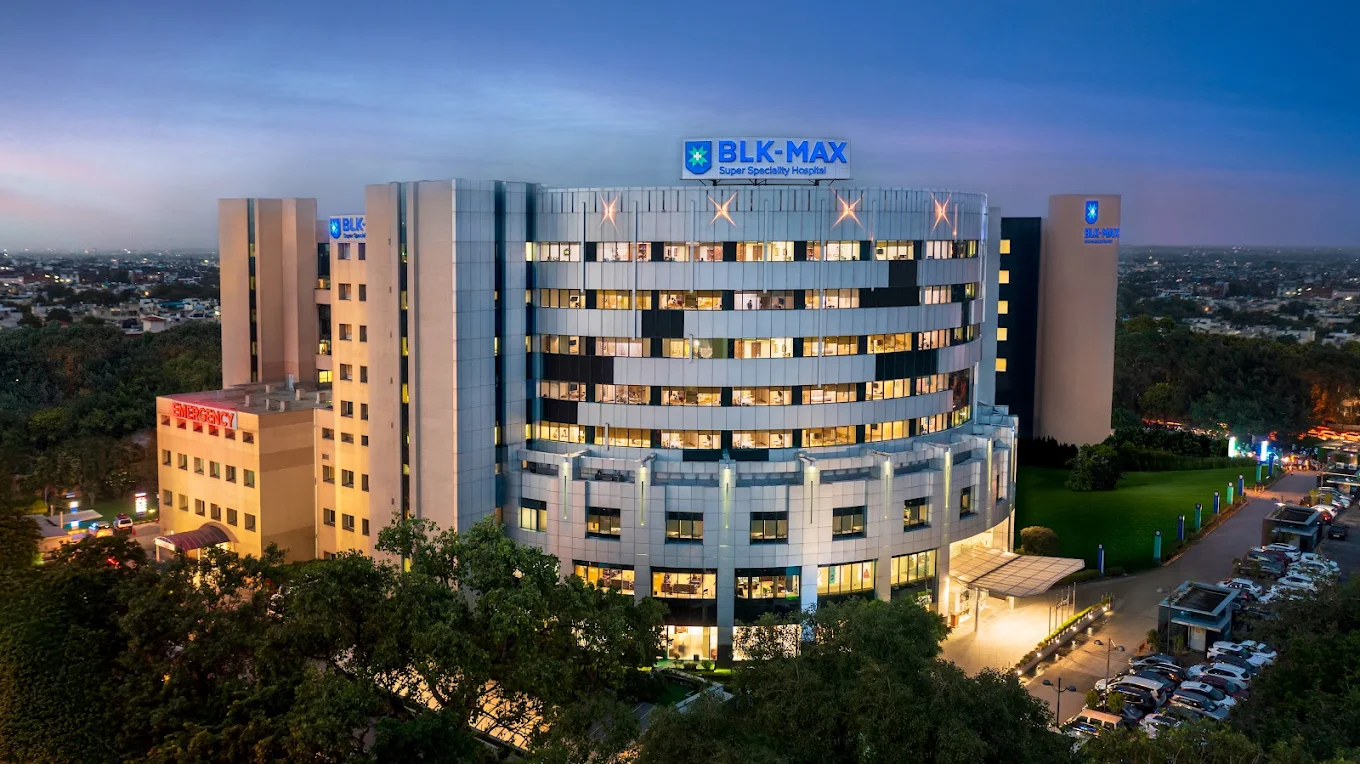
BLK-Max Super Speciality Hospital
Noida, Uttar Pradesh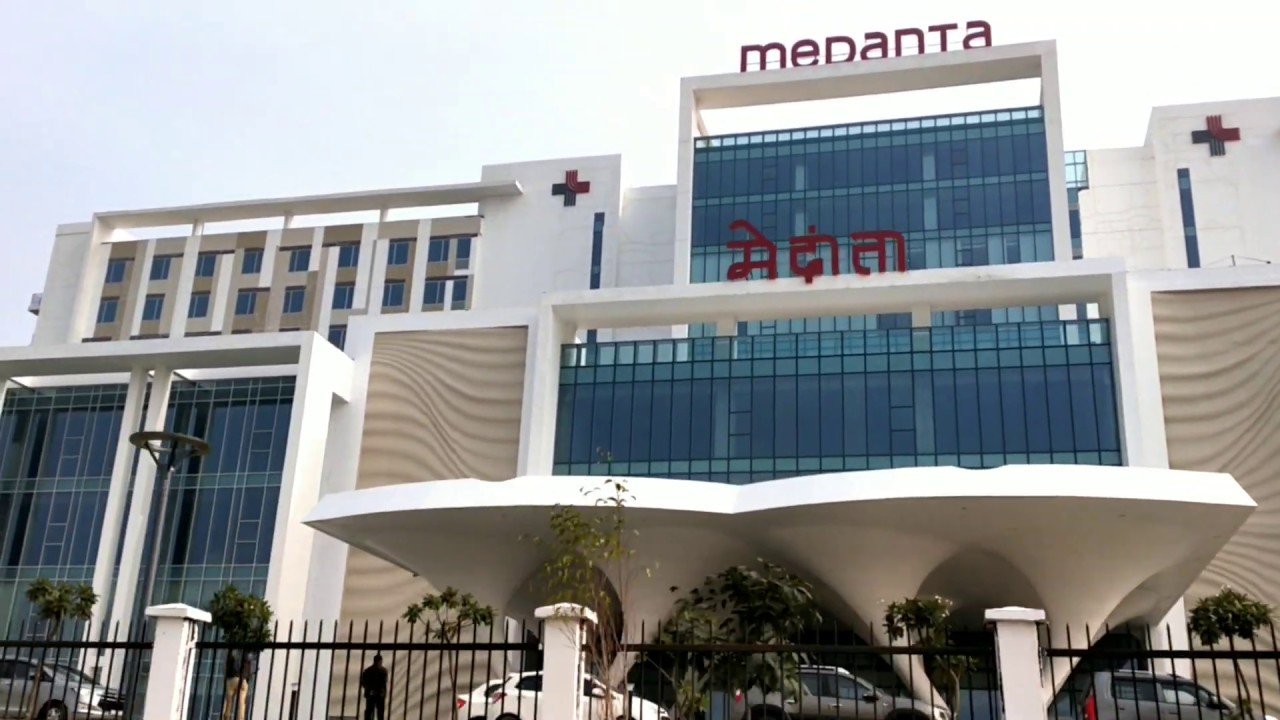
Medanta
Bengaluru, KarnatakaSpine disc replacement surgery is an advanced orthopedic procedure performed to treat chronic neck or lower back pain caused by a damaged or degenerated spinal disc. In this surgery, the unhealthy disc is removed and replaced with an artificial disc designed to preserve natural spine movement. Unlike spinal fusion, disc replacement maintains flexibility and reduces stress on adjacent spinal segments.
India is a preferred destination for spine disc replacement surgery, offering experienced spine surgeons, advanced implants, and modern surgical facilities at affordable costs for international patients.
Spine disc replacement surgery may be recommended when patients experience:
- Chronic neck or lower back pain lasting several months
- Pain radiating to arms or legs
- Numbness or tingling in limbs
- Muscle weakness
- Reduced spinal mobility
- Pain worsening with sitting, bending, or standing
- Poor response to medications, physiotherapy, or injections
A proper diagnosis is essential before considering surgery.
Common factors contributing to disc degeneration include:
- Age-related wear and tear
- Repetitive heavy lifting or physical strain
- Poor posture
- Obesity
- Smoking
- Previous spinal injury
- Genetic predisposition
Lifestyle changes may slow progression, but surgery may be required in advanced cases.
Before spine disc replacement surgery, a comprehensive evaluation is conducted:
- MRI and CT scans of the spine
- X-rays with motion studies
- Neurological assessment
- Blood tests
- Cardiac and anesthesia fitness evaluation
Patients are informed about surgical suitability, implant options, potential risks, and expected recovery.
Spine disc replacement surgery usually takes 2–4 hours and is performed under general anesthesia.
Procedure steps:
- The damaged spinal disc is carefully removed
- An artificial disc is placed in the disc space
- Proper alignment and movement are verified
- The incision is closed with minimal tissue disruption
The procedure may be performed for cervical (neck) or lumbar (lower back) discs, depending on patient condition.
Recovery after disc replacement is generally faster compared to spinal fusion:
- Hospital stay of 2–4 days
- Early mobilization encouraged
- Pain management and wound care
- Gradual return to daily activities
- Structured physiotherapy program
Most patients resume routine activities within 3–6 weeks.
Spine disc replacement surgery has excellent outcomes in selected patients:
- Pain relief success: 85–95%
- Improved spinal mobility
- Reduced risk of adjacent segment degeneration
Results depend on patient selection, implant quality, and post-operative rehabilitation.
Estimated Cost in India for International Patients
- Single-Level Disc Replacement: USD 8,000 – 12,000
- Multi-Level Disc Replacement: USD 12,000 – 18,000
Costs typically include surgery, implant charges, hospital stay, and basic investigations. Travel and accommodation may be additional.
Is disc replacement better than spinal fusion?
In suitable patients, disc replacement preserves movement and may offer better long-term outcomes than fusion.
How long does the artificial disc last?
Modern artificial discs are designed for long-term durability, often lasting many years.
Will physiotherapy be required after surgery?
Yes, physiotherapy is essential for optimal recovery and mobility restoration.
Can sports be resumed after disc replacement?
Light activities can usually be resumed after recovery; high-impact sports should be discussed with the surgeon.
Is support available for international patients?
Yes, medical visa assistance, airport pickup, interpreter services, hospital coordination, and accommodation support are available.