A brain stroke is a serious medical emergency that occurs when blood flow to a part of the brain is interrupted or when a blood vessel in the brain ruptures. Without timely treatment, stroke can cause permanent brain damage, disability, or death. Immediate medical care followed by structured rehabilitation plays a crucial role in recovery.
India is a preferred destination for stroke treatment and rehabilitation, offering advanced neuro-care units, experienced neurologists, and comprehensive rehabilitation programs at affordable costs for international patients.
Stroke symptoms usually appear suddenly and require urgent medical attention:
- Weakness or paralysis on one side of the body
- Difficulty speaking or understanding speech
- Facial drooping on one side
- Sudden loss of vision in one or both eyes
- Severe headache with no known cause
- Dizziness, loss of balance, or coordination problems
- Confusion or memory difficulties
Early treatment significantly improves recovery outcomes.
Several conditions increase the risk of stroke:
- High blood pressure
- Diabetes
- Heart disease (including atrial fibrillation)
- High cholesterol
- Smoking
- Obesity and lack of physical activity
- Excessive alcohol consumption
- Previous stroke or transient ischemic attack (TIA)
Managing these risk factors is essential to prevent recurrent strokes.
Stroke treatment begins with emergency assessment and diagnosis:
- CT scan or MRI of the brain
- Blood tests
- ECG and cardiac evaluation
- Blood pressure and blood sugar monitoring
- Identification of stroke type (ischemic or hemorrhagic)
For rehabilitation, physical, speech, and cognitive assessments are performed to create a personalized recovery plan.
Treatment depends on the type and severity of stroke:
Ischemic Stroke
- Clot-dissolving medications (thrombolysis)
- Mechanical thrombectomy to remove the clot
- Blood-thinning and neuro-protective medications
Hemorrhagic Stroke
- Blood pressure control
- Surgical intervention if required
- Management of brain swelling and pressure
Rehabilitation
- Physiotherapy to restore movement
- Speech and swallowing therapy
- Occupational therapy for daily activities
- Cognitive and psychological rehabilitation
Early rehabilitation is key to better functional recovery.
Long-term care and rehabilitation focus on restoring independence:
- Regular physiotherapy sessions
- Speech and language therapy
- Balance and mobility training
- Lifestyle modification and medication adherence
- Ongoing neurologist follow-ups
Rehabilitation duration varies depending on stroke severity and patient progress.
Stroke recovery outcomes depend on:
- Speed of initial treatment
- Severity and location of brain injury
- Patient age and overall health
- Consistency of rehabilitation therapy
Many patients achieve significant improvement in mobility, speech, and daily functioning with timely treatment and structured rehabilitation.
Estimated Cost in India for International Patients
- Emergency Stroke Treatment: USD 3,000 – 6,000
- Advanced Stroke Intervention (Thrombolysis / Thrombectomy): USD 6,000 – 12,000
- Comprehensive Stroke Rehabilitation (4–6 weeks): USD 2,500 – 6,000
Costs vary based on hospital stay, stroke severity, and rehabilitation duration.
Can stroke patients fully recover?
Many patients achieve partial or significant recovery, especially with early treatment and consistent rehabilitation.
How soon should treatment begin after a stroke?
Stroke treatment should begin as soon as possible—ideally within the first few hours.
Is rehabilitation necessary after stroke treatment?
Yes, rehabilitation is essential for regaining movement, speech, and independence.
Can stroke happen again?
Yes, but proper medication, lifestyle changes, and follow-up care reduce the risk.
Is support available for international patients?
Yes, medical visa assistance, airport pickup, interpreter services, hospital coordination, rehabilitation planning, and accommodation support are available.
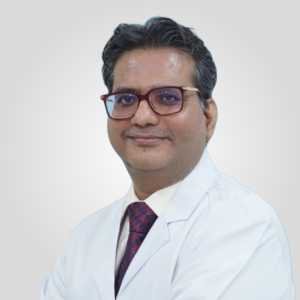
Dr. Dr. Deepak Thakur
Mumbai, Maharashtra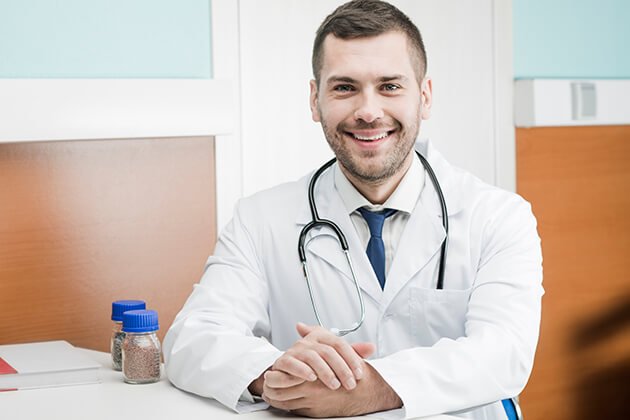
Dr. Karan Bansal
Noida, Uttar Pradesh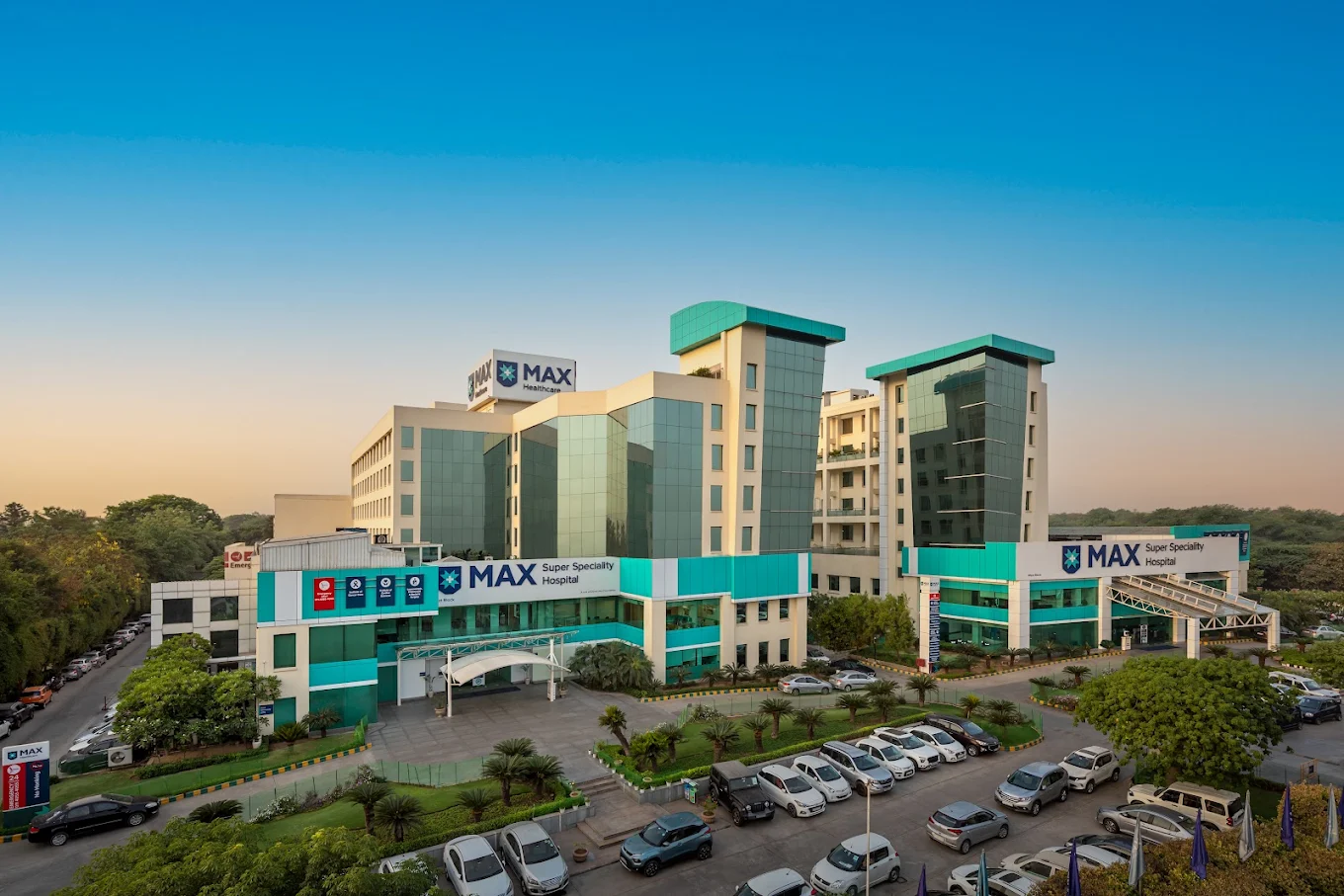
Max Super Speciality Hospitals
Mumbai, Maharashtra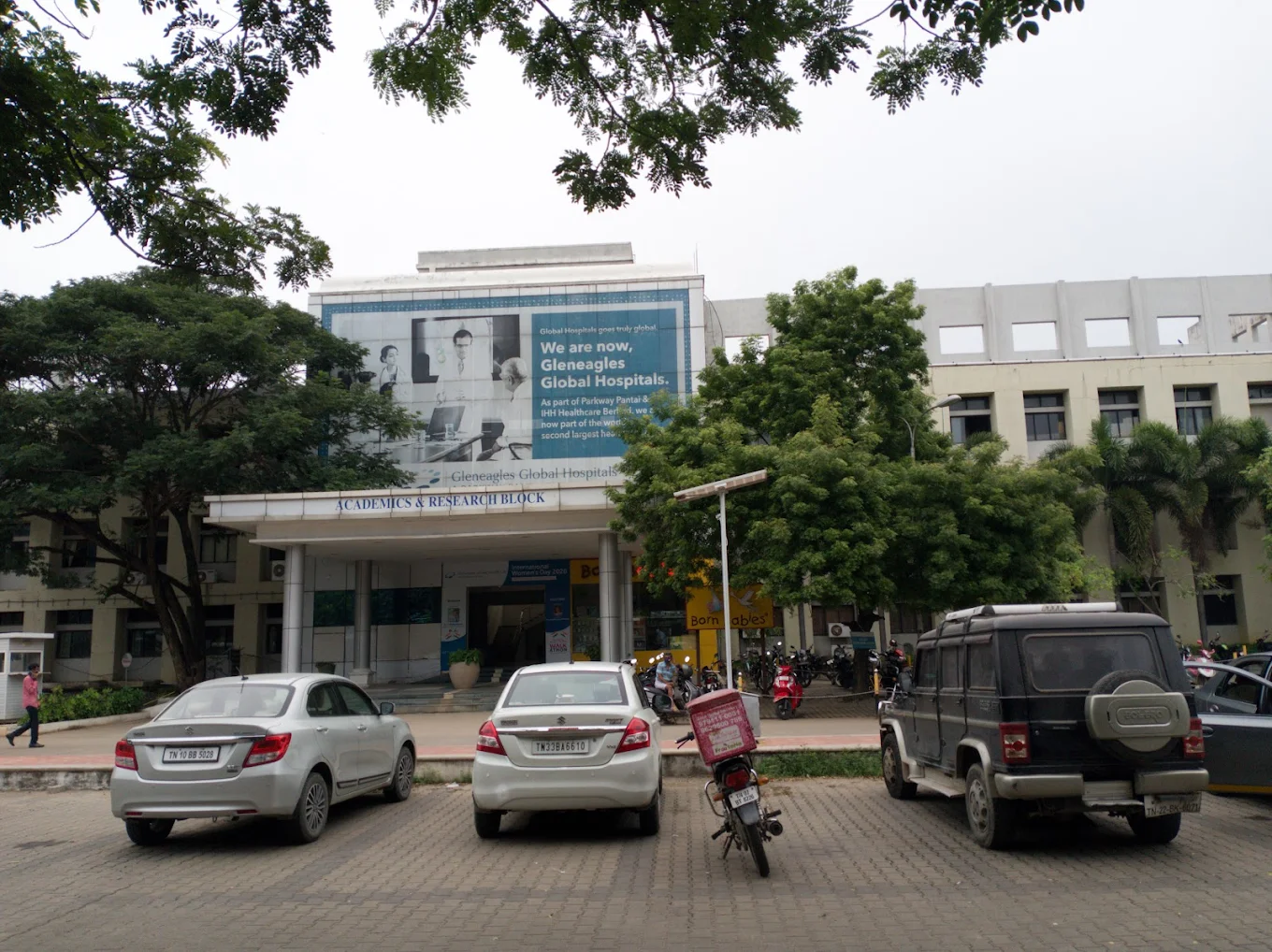
Gleneagles Global Health City
Greater Noida, Uttar PradeshA brain stroke is a serious medical emergency that occurs when blood flow to a part of the brain is interrupted or when a blood vessel in the brain ruptures. Without timely treatment, stroke can cause permanent brain damage, disability, or death. Immediate medical care followed by structured rehabilitation plays a crucial role in recovery.
India is a preferred destination for stroke treatment and rehabilitation, offering advanced neuro-care units, experienced neurologists, and comprehensive rehabilitation programs at affordable costs for international patients.
Stroke symptoms usually appear suddenly and require urgent medical attention:
- Weakness or paralysis on one side of the body
- Difficulty speaking or understanding speech
- Facial drooping on one side
- Sudden loss of vision in one or both eyes
- Severe headache with no known cause
- Dizziness, loss of balance, or coordination problems
- Confusion or memory difficulties
Early treatment significantly improves recovery outcomes.
Several conditions increase the risk of stroke:
- High blood pressure
- Diabetes
- Heart disease (including atrial fibrillation)
- High cholesterol
- Smoking
- Obesity and lack of physical activity
- Excessive alcohol consumption
- Previous stroke or transient ischemic attack (TIA)
Managing these risk factors is essential to prevent recurrent strokes.
Stroke treatment begins with emergency assessment and diagnosis:
- CT scan or MRI of the brain
- Blood tests
- ECG and cardiac evaluation
- Blood pressure and blood sugar monitoring
- Identification of stroke type (ischemic or hemorrhagic)
For rehabilitation, physical, speech, and cognitive assessments are performed to create a personalized recovery plan.
Treatment depends on the type and severity of stroke:
Ischemic Stroke
- Clot-dissolving medications (thrombolysis)
- Mechanical thrombectomy to remove the clot
- Blood-thinning and neuro-protective medications
Hemorrhagic Stroke
- Blood pressure control
- Surgical intervention if required
- Management of brain swelling and pressure
Rehabilitation
- Physiotherapy to restore movement
- Speech and swallowing therapy
- Occupational therapy for daily activities
- Cognitive and psychological rehabilitation
Early rehabilitation is key to better functional recovery.
Long-term care and rehabilitation focus on restoring independence:
- Regular physiotherapy sessions
- Speech and language therapy
- Balance and mobility training
- Lifestyle modification and medication adherence
- Ongoing neurologist follow-ups
Rehabilitation duration varies depending on stroke severity and patient progress.
Stroke recovery outcomes depend on:
- Speed of initial treatment
- Severity and location of brain injury
- Patient age and overall health
- Consistency of rehabilitation therapy
Many patients achieve significant improvement in mobility, speech, and daily functioning with timely treatment and structured rehabilitation.
Estimated Cost in India for International Patients
- Emergency Stroke Treatment: USD 3,000 – 6,000
- Advanced Stroke Intervention (Thrombolysis / Thrombectomy): USD 6,000 – 12,000
- Comprehensive Stroke Rehabilitation (4–6 weeks): USD 2,500 – 6,000
Costs vary based on hospital stay, stroke severity, and rehabilitation duration.
Can stroke patients fully recover?
Many patients achieve partial or significant recovery, especially with early treatment and consistent rehabilitation.
How soon should treatment begin after a stroke?
Stroke treatment should begin as soon as possible—ideally within the first few hours.
Is rehabilitation necessary after stroke treatment?
Yes, rehabilitation is essential for regaining movement, speech, and independence.
Can stroke happen again?
Yes, but proper medication, lifestyle changes, and follow-up care reduce the risk.
Is support available for international patients?
Yes, medical visa assistance, airport pickup, interpreter services, hospital coordination, rehabilitation planning, and accommodation support are available.