Heart Bypass Surgery, medically known as Coronary Artery Bypass Grafting (CABG), is performed when the arteries supplying blood to the heart become narrowed or blocked due to cholesterol buildup.
The surgery creates a new pathway for blood flow using healthy blood vessels taken from the chest, leg, or arm—bypassing the blocked arteries.
The aim is clear and practical: reduce chest pain, prevent heart attacks, improve heart function, and help patients return to a normal life.
CABG may be advised if you have:
- Repeated or severe chest pain (angina)
- Shortness of breath during routine activities
- Fatigue even after mild exertion
- Blockages seen in coronary angiography
- Reduced heart pumping capacity
- History of heart attack with ongoing symptoms
Some patients may not have strong symptoms but still require surgery due to critical blockages.
Common factors that lead to blocked heart arteries include:
- High blood pressure
- Diabetes
- Smoking or tobacco use
- High cholesterol
- Obesity and lack of exercise
- Family history of heart disease
- Stressful lifestyle
- Increasing age
Before bypass surgery, patients go through a detailed evaluation:
- Coronary angiography
- ECG, Echocardiography
- Blood tests and chest X-ray
- Lung function and kidney assessment
- Stopping smoking and certain medications
- Counseling about surgery, recovery, and lifestyle changes
Proper preparation helps reduce complications and improves recovery.
Heart bypass surgery is done under general anesthesia.
Steps include:
- Opening the chest through the breastbone
- Taking healthy blood vessels (graft)
- Bypassing the blocked coronary arteries
- Restoring normal blood flow to the heart
Types of CABG:
- On-pump CABG (heart-lung machine used)
- Off-pump CABG (beating heart surgery)
- Minimally invasive CABG (selected cases)
The surgery usually takes 3–5 hours, depending on the number of bypasses required.
After surgery:
- Patient stays in ICU for 24–48 hours
- Pain and breathing are carefully managed
- Walking usually starts within 2–3 days
- Hospital stay: 5–8 days
- Stitches removed after 7–10 days
- Full recovery takes 6–12 weeks
Lifestyle changes and cardiac rehabilitation are essential for long-term success.
Success Rate
Heart bypass surgery has an excellent track record:
- Success rate: 90%–98%
- Significant relief from chest pain
- Improved heart function and stamina
- Reduced risk of future heart attacks
Outcomes are best when patients follow medication, diet, exercise, and follow-up advice.
Cost of Heart Bypass Surgery (Approximate)
(Costs depend on number of grafts, technique, and hospital stay)
- Standard CABG: USD 4,500 – 6,500
- Off-pump / advanced CABG: USD 6,500 – 8,500
- Complex or high-risk bypass surgery: USD 8,500 – 11,000
India provides international-quality heart surgery at significantly lower costs.
Is heart bypass surgery risky?
Like any major surgery, it carries risks, but with experienced teams, it is considered very safe.
How long do bypass grafts last?
Most grafts function well for 10–15 years or more, especially with lifestyle control.
Will I need lifelong medicines after surgery?
Yes. Medicines help protect the heart and prevent future blockages.
When can I return to normal activities?
Light activities in 2–3 weeks; full routine usually after 2–3 months.
Can bypass surgery be avoided?
In early disease, medicines or angioplasty may help. Advanced blockages often need bypass surgery.

Dr. Dr. Kapil Tyagi
Greater Noida, Uttar Pradesh
Fortis Memorial Research Institute
Greater Noida, Uttar Pradesh
Max Super Speciality Hospitals
Mumbai, Maharashtra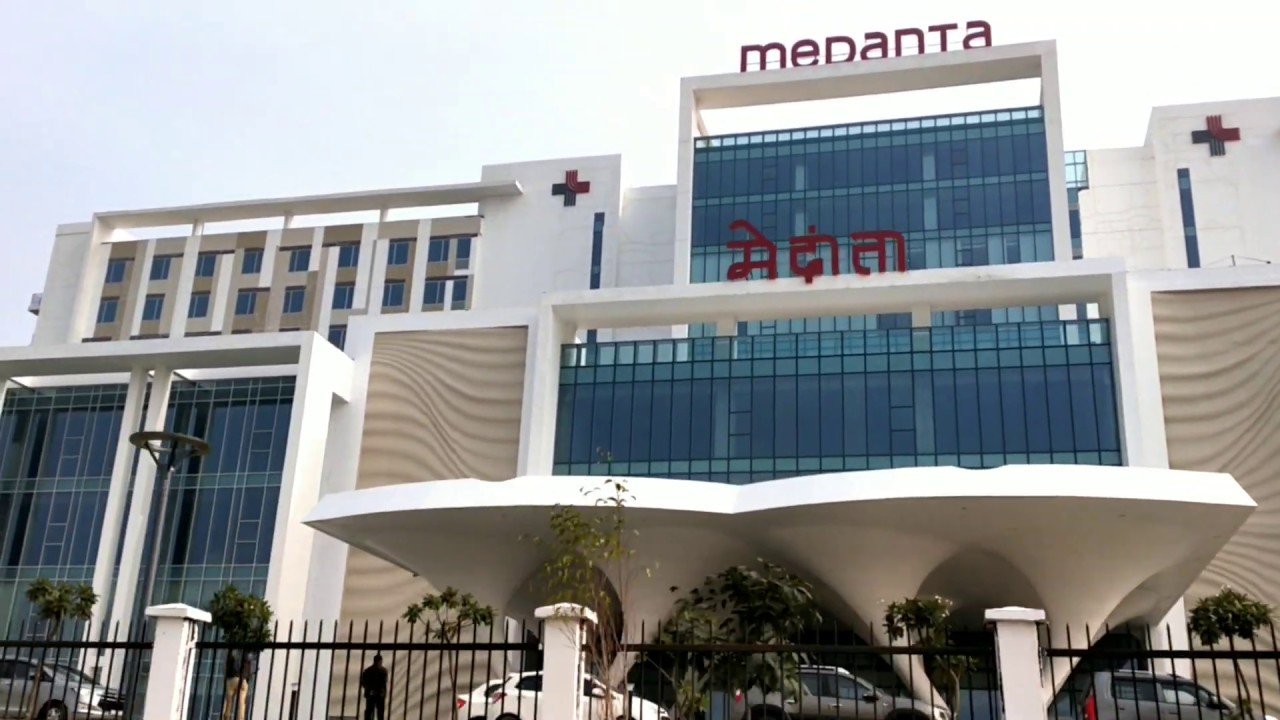
Medanta
Bengaluru, KarnatakaHeart Bypass Surgery, medically known as Coronary Artery Bypass Grafting (CABG), is performed when the arteries supplying blood to the heart become narrowed or blocked due to cholesterol buildup.
The surgery creates a new pathway for blood flow using healthy blood vessels taken from the chest, leg, or arm—bypassing the blocked arteries.
The aim is clear and practical: reduce chest pain, prevent heart attacks, improve heart function, and help patients return to a normal life.
CABG may be advised if you have:
- Repeated or severe chest pain (angina)
- Shortness of breath during routine activities
- Fatigue even after mild exertion
- Blockages seen in coronary angiography
- Reduced heart pumping capacity
- History of heart attack with ongoing symptoms
Some patients may not have strong symptoms but still require surgery due to critical blockages.
Common factors that lead to blocked heart arteries include:
- High blood pressure
- Diabetes
- Smoking or tobacco use
- High cholesterol
- Obesity and lack of exercise
- Family history of heart disease
- Stressful lifestyle
- Increasing age
Before bypass surgery, patients go through a detailed evaluation:
- Coronary angiography
- ECG, Echocardiography
- Blood tests and chest X-ray
- Lung function and kidney assessment
- Stopping smoking and certain medications
- Counseling about surgery, recovery, and lifestyle changes
Proper preparation helps reduce complications and improves recovery.
Heart bypass surgery is done under general anesthesia.
Steps include:
- Opening the chest through the breastbone
- Taking healthy blood vessels (graft)
- Bypassing the blocked coronary arteries
- Restoring normal blood flow to the heart
Types of CABG:
- On-pump CABG (heart-lung machine used)
- Off-pump CABG (beating heart surgery)
- Minimally invasive CABG (selected cases)
The surgery usually takes 3–5 hours, depending on the number of bypasses required.
After surgery:
- Patient stays in ICU for 24–48 hours
- Pain and breathing are carefully managed
- Walking usually starts within 2–3 days
- Hospital stay: 5–8 days
- Stitches removed after 7–10 days
- Full recovery takes 6–12 weeks
Lifestyle changes and cardiac rehabilitation are essential for long-term success.
Success Rate
Heart bypass surgery has an excellent track record:
- Success rate: 90%–98%
- Significant relief from chest pain
- Improved heart function and stamina
- Reduced risk of future heart attacks
Outcomes are best when patients follow medication, diet, exercise, and follow-up advice.
Cost of Heart Bypass Surgery (Approximate)
(Costs depend on number of grafts, technique, and hospital stay)
- Standard CABG: USD 4,500 – 6,500
- Off-pump / advanced CABG: USD 6,500 – 8,500
- Complex or high-risk bypass surgery: USD 8,500 – 11,000
India provides international-quality heart surgery at significantly lower costs.
Is heart bypass surgery risky?
Like any major surgery, it carries risks, but with experienced teams, it is considered very safe.
How long do bypass grafts last?
Most grafts function well for 10–15 years or more, especially with lifestyle control.
Will I need lifelong medicines after surgery?
Yes. Medicines help protect the heart and prevent future blockages.
When can I return to normal activities?
Light activities in 2–3 weeks; full routine usually after 2–3 months.
Can bypass surgery be avoided?
In early disease, medicines or angioplasty may help. Advanced blockages often need bypass surgery.