Robotic prostate surgery is an advanced, minimally invasive procedure used to treat prostate cancer and certain severe prostate conditions. The surgery is performed using robotic-assisted technology that allows surgeons to operate with greater precision, better visualization, and improved control. Compared to traditional open surgery, robotic prostate surgery offers faster recovery, less pain, and reduced risk of complications.
India is a preferred destination for robotic prostate surgery, offering experienced robotic surgeons, state-of-the-art robotic systems, and comprehensive post-surgical care at affordable costs for international patients.
Robotic prostate surgery may be recommended when patients experience:
- Diagnosis of localized prostate cancer
- Difficulty urinating or weak urine stream
- Frequent urination, especially at night
- Incomplete bladder emptying
- Blood in urine or semen
- Pelvic discomfort
- Poor response to medication (in selected cases)
Surgical decisions are based on biopsy results and imaging findings.
Factors associated with prostate disease include:
- Increasing age (commonly over 50 years)
- Family history of prostate cancer
- Genetic predisposition
- Hormonal changes
- Obesity and sedentary lifestyle
Regular screening helps detect prostate disease at an early, treatable stage.
Before robotic prostate surgery, a detailed evaluation is performed:
- PSA blood test
- Prostate biopsy
- MRI or CT scan
- Blood and urine tests
- Cardiac and anesthesia assessment
Patients are counseled about the surgical approach, possible side effects, and recovery expectations.
Robotic prostate surgery typically takes 2–4 hours.
Procedure steps:
- Surgery is performed under general anesthesia
- Small keyhole incisions are made
- Robotic instruments are used to remove the prostate gland
- The urinary tract is reconstructed with precision
Nerve-sparing techniques may be used to help preserve urinary control and sexual function when clinically appropriate.
Recovery after robotic surgery is usually faster than open surgery:
- Hospital stay of 1–2 days
- Temporary urinary catheter for 7–10 days
- Minimal post-operative pain
- Early mobilization encouraged
Most patients return to normal daily activities within 2–3 weeks.
Robotic prostate surgery has excellent clinical outcomes:
- Cancer control rate: 90–95% in early-stage prostate cancer
- Improved urinary continence recovery
- Better preservation of sexual function in selected cases
Results depend on disease stage and surgeon experience.
Estimated Cost in India for International Patients
- Robotic Prostate Surgery: USD 9,000 – 15,000
Costs generally include robotic surgery, surgeon fees, hospital stay, and basic investigations. Travel, accommodation, and medications may be additional.
Is robotic prostate surgery better than open surgery?
Yes, robotic surgery offers less blood loss, reduced pain, and faster recovery.
Will urinary control return after surgery?
Most patients gradually regain urinary control over time.
Does robotic surgery affect sexual function?
Nerve-sparing techniques can help preserve function, depending on the case.
How long does recovery take?
Initial recovery takes a few weeks, with gradual improvement thereafter.
Is support available for international patients?
Yes, medical visa assistance, airport pickup, interpreter services, hospital coordination, and accommodation support are available.

Dr. Dr. Deepak Thakur
Mumbai, Maharashtra
Dr. Dr. Shaphali Chandra
Bengaluru, Karnataka
BLK-Max Super Speciality Hospital
Noida, Uttar Pradesh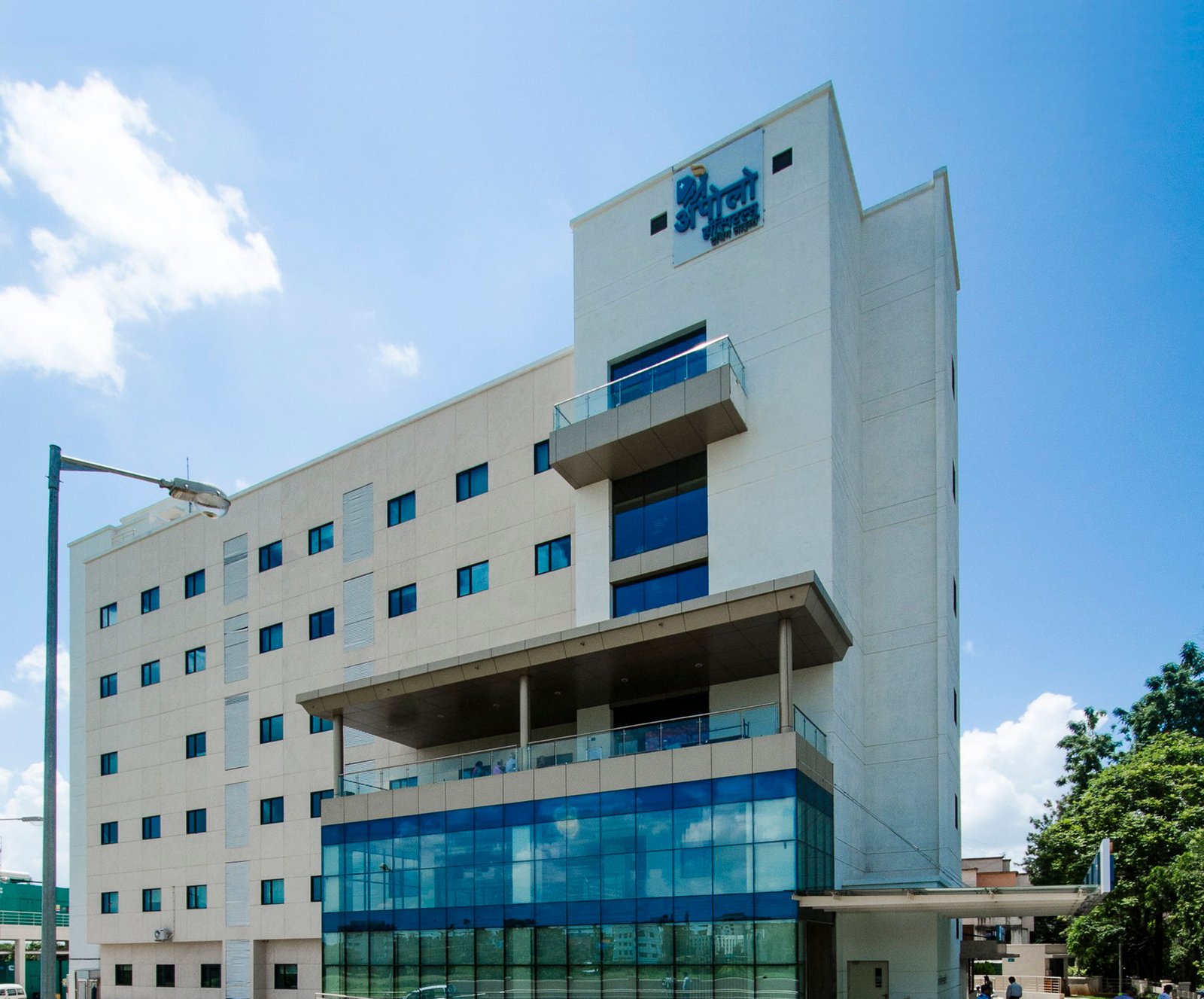
Apollo Hospitals Group
Thiruvananthapuram, KeralaRobotic prostate surgery is an advanced, minimally invasive procedure used to treat prostate cancer and certain severe prostate conditions. The surgery is performed using robotic-assisted technology that allows surgeons to operate with greater precision, better visualization, and improved control. Compared to traditional open surgery, robotic prostate surgery offers faster recovery, less pain, and reduced risk of complications.
India is a preferred destination for robotic prostate surgery, offering experienced robotic surgeons, state-of-the-art robotic systems, and comprehensive post-surgical care at affordable costs for international patients.
Robotic prostate surgery may be recommended when patients experience:
- Diagnosis of localized prostate cancer
- Difficulty urinating or weak urine stream
- Frequent urination, especially at night
- Incomplete bladder emptying
- Blood in urine or semen
- Pelvic discomfort
- Poor response to medication (in selected cases)
Surgical decisions are based on biopsy results and imaging findings.
Factors associated with prostate disease include:
- Increasing age (commonly over 50 years)
- Family history of prostate cancer
- Genetic predisposition
- Hormonal changes
- Obesity and sedentary lifestyle
Regular screening helps detect prostate disease at an early, treatable stage.
Before robotic prostate surgery, a detailed evaluation is performed:
- PSA blood test
- Prostate biopsy
- MRI or CT scan
- Blood and urine tests
- Cardiac and anesthesia assessment
Patients are counseled about the surgical approach, possible side effects, and recovery expectations.
Robotic prostate surgery typically takes 2–4 hours.
Procedure steps:
- Surgery is performed under general anesthesia
- Small keyhole incisions are made
- Robotic instruments are used to remove the prostate gland
- The urinary tract is reconstructed with precision
Nerve-sparing techniques may be used to help preserve urinary control and sexual function when clinically appropriate.
Recovery after robotic surgery is usually faster than open surgery:
- Hospital stay of 1–2 days
- Temporary urinary catheter for 7–10 days
- Minimal post-operative pain
- Early mobilization encouraged
Most patients return to normal daily activities within 2–3 weeks.
Robotic prostate surgery has excellent clinical outcomes:
- Cancer control rate: 90–95% in early-stage prostate cancer
- Improved urinary continence recovery
- Better preservation of sexual function in selected cases
Results depend on disease stage and surgeon experience.
Estimated Cost in India for International Patients
- Robotic Prostate Surgery: USD 9,000 – 15,000
Costs generally include robotic surgery, surgeon fees, hospital stay, and basic investigations. Travel, accommodation, and medications may be additional.
Is robotic prostate surgery better than open surgery?
Yes, robotic surgery offers less blood loss, reduced pain, and faster recovery.
Will urinary control return after surgery?
Most patients gradually regain urinary control over time.
Does robotic surgery affect sexual function?
Nerve-sparing techniques can help preserve function, depending on the case.
How long does recovery take?
Initial recovery takes a few weeks, with gradual improvement thereafter.
Is support available for international patients?
Yes, medical visa assistance, airport pickup, interpreter services, hospital coordination, and accommodation support are available.