Scoliosis spine correction surgery is a specialized orthopedic procedure performed to correct an abnormal sideways curvature of the spine. When scoliosis progresses or becomes severe, it can cause pain, postural deformity, breathing difficulty, and reduced quality of life. Surgical correction aims to realign the spine, stop further curve progression, and restore balance and function.
India is a leading destination for scoliosis surgery, offering experienced spine deformity surgeons, advanced surgical techniques, and comprehensive post-operative care at affordable costs for international patients.
Scoliosis symptoms vary by age and curve severity and may include:
- Uneven shoulders or hips
- Visible spinal curvature or rib hump
- Body leaning to one side
- Back pain or stiffness (more common in adults)
- Fatigue after standing or sitting
- Reduced lung capacity in severe cases
- Uneven clothing fit
Early evaluation is important to prevent curve progression.
Factors associated with scoliosis include:
- Idiopathic scoliosis (no known cause)
- Congenital spinal abnormalities
- Neuromuscular conditions
- Family history of scoliosis
- Rapid growth during adolescence
- Degenerative spine changes in adults
Regular monitoring helps determine the need for surgical intervention.
Before scoliosis correction surgery, a detailed assessment is performed:
- Full-spine X-rays (standing and bending views)
- MRI or CT scan of the spine
- Neurological evaluation
- Lung function tests
- Blood tests and anesthesia assessment
Patients and families are counseled regarding surgical goals, risks, expected correction, and recovery timeline.
Scoliosis surgery typically lasts 4–8 hours, depending on curve complexity.
Procedure steps:
- Surgery is performed under general anesthesia
- The spine is realigned using rods, screws, and specialized implants
- Abnormal curvature is corrected gradually and safely
- Intraoperative neuro-monitoring is used to protect spinal cord function
The surgical approach (posterior, anterior, or combined) depends on curve type and location.
Post-operative care is essential for recovery:
- ICU monitoring for 1–2 days
- Pain management and infection prevention
- Early mobilization with physiotherapy
- Posture and movement training
- Gradual return to daily activities
Hospital stay usually ranges from 5 to 7 days, with full recovery taking several months.
Scoliosis spine correction surgery has strong outcomes in experienced centers:
- Curve correction success: 80–90%
- Significant improvement in posture and balance
- Pain reduction and improved lung function in severe cases
Results depend on curve severity, patient age, and surgical expertise.
Estimated Cost in India for International Patients
- Adolescent Scoliosis Surgery: USD 12,000 – 18,000
- Adult Degenerative Scoliosis Surgery: USD 15,000 – 25,000
Costs generally include surgery, implants, ICU care, hospital stay, and basic investigations. Travel and accommodation may be additional.
Is scoliosis surgery risky?
As with any major surgery, risks exist, but modern techniques and neuro-monitoring have significantly improved safety.
Will height increase after surgery?
Many patients experience a small increase in height due to spine straightening.
When is surgery recommended for children?
Surgery is usually recommended when the spinal curve is severe or rapidly progressing.
Can sports be resumed after surgery?
Light activities are allowed after recovery; sports participation should follow medical guidance.
Is support available for international patients?
Yes, medical visa assistance, airport pickup, interpreter services, hospital coordination, and accommodation support are available.
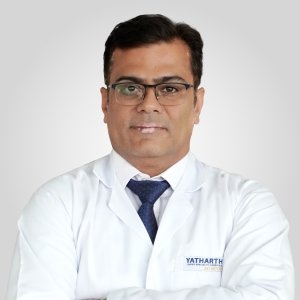
Dr. Dr. Manish Aroraa
Noida, Uttar Pradesh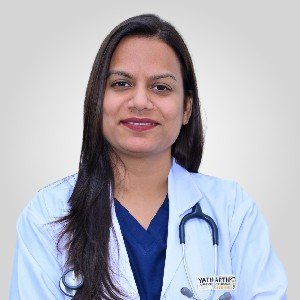
Dr. Dr. Shaphali Chandra
Bengaluru, Karnataka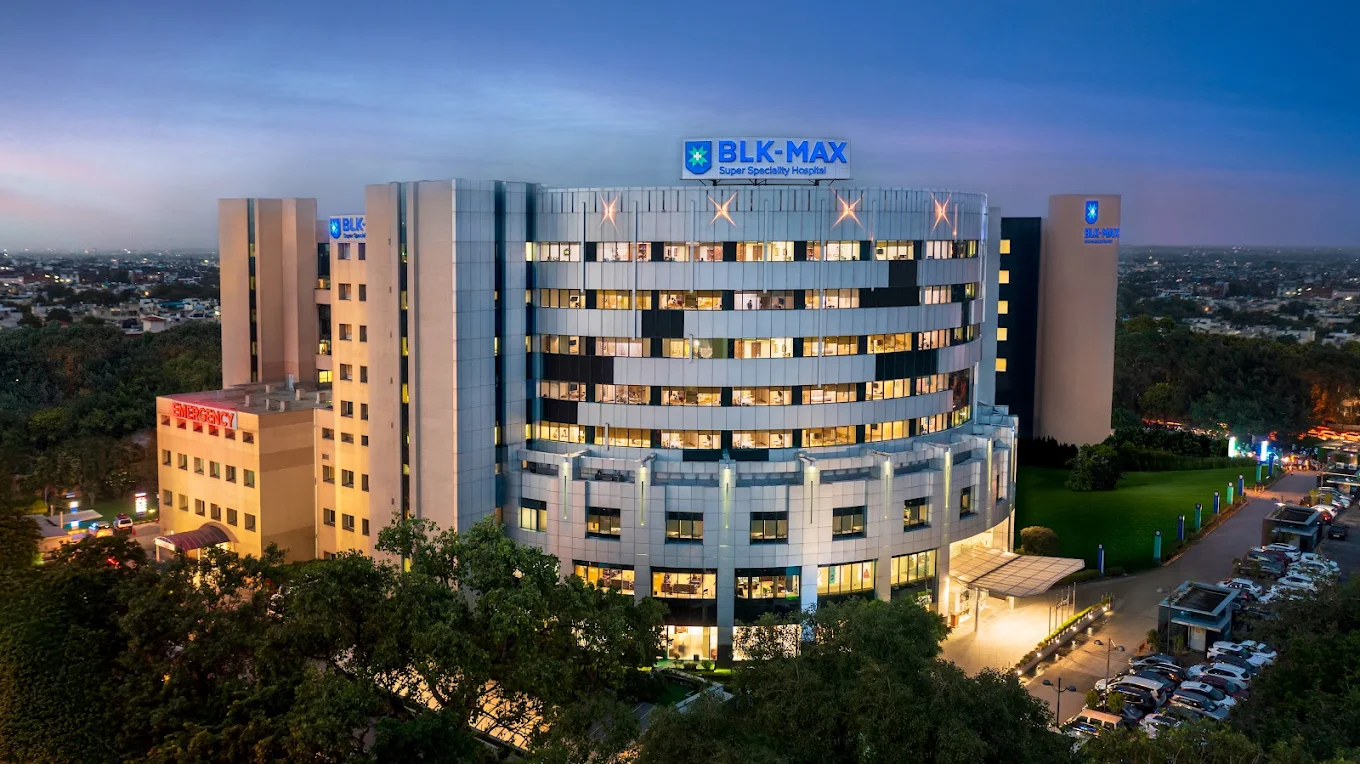
BLK-Max Super Speciality Hospital
Noida, Uttar Pradesh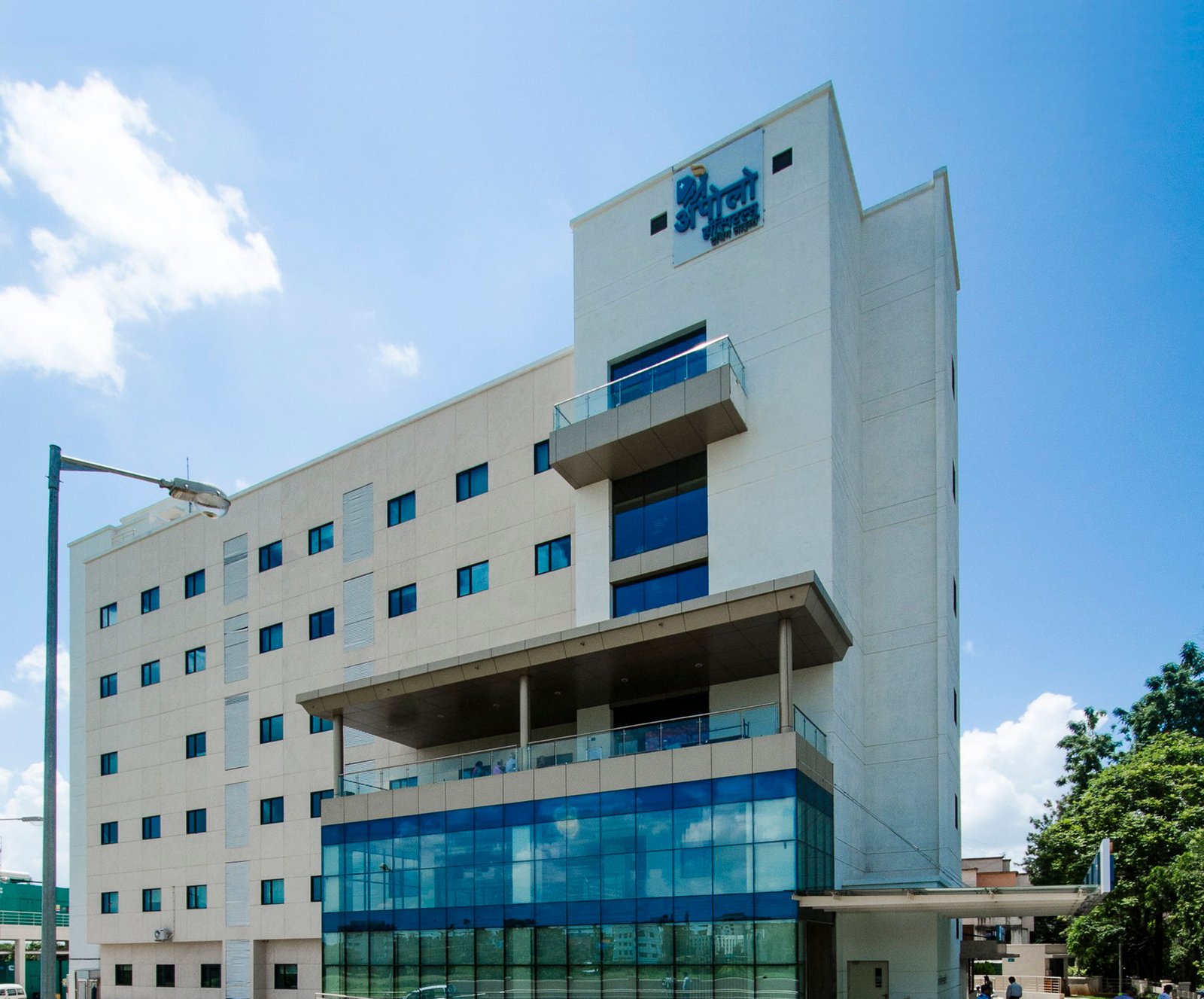
Apollo Hospitals Group
Thiruvananthapuram, KeralaScoliosis spine correction surgery is a specialized orthopedic procedure performed to correct an abnormal sideways curvature of the spine. When scoliosis progresses or becomes severe, it can cause pain, postural deformity, breathing difficulty, and reduced quality of life. Surgical correction aims to realign the spine, stop further curve progression, and restore balance and function.
India is a leading destination for scoliosis surgery, offering experienced spine deformity surgeons, advanced surgical techniques, and comprehensive post-operative care at affordable costs for international patients.
Scoliosis symptoms vary by age and curve severity and may include:
- Uneven shoulders or hips
- Visible spinal curvature or rib hump
- Body leaning to one side
- Back pain or stiffness (more common in adults)
- Fatigue after standing or sitting
- Reduced lung capacity in severe cases
- Uneven clothing fit
Early evaluation is important to prevent curve progression.
Factors associated with scoliosis include:
- Idiopathic scoliosis (no known cause)
- Congenital spinal abnormalities
- Neuromuscular conditions
- Family history of scoliosis
- Rapid growth during adolescence
- Degenerative spine changes in adults
Regular monitoring helps determine the need for surgical intervention.
Before scoliosis correction surgery, a detailed assessment is performed:
- Full-spine X-rays (standing and bending views)
- MRI or CT scan of the spine
- Neurological evaluation
- Lung function tests
- Blood tests and anesthesia assessment
Patients and families are counseled regarding surgical goals, risks, expected correction, and recovery timeline.
Scoliosis surgery typically lasts 4–8 hours, depending on curve complexity.
Procedure steps:
- Surgery is performed under general anesthesia
- The spine is realigned using rods, screws, and specialized implants
- Abnormal curvature is corrected gradually and safely
- Intraoperative neuro-monitoring is used to protect spinal cord function
The surgical approach (posterior, anterior, or combined) depends on curve type and location.
Post-operative care is essential for recovery:
- ICU monitoring for 1–2 days
- Pain management and infection prevention
- Early mobilization with physiotherapy
- Posture and movement training
- Gradual return to daily activities
Hospital stay usually ranges from 5 to 7 days, with full recovery taking several months.
Scoliosis spine correction surgery has strong outcomes in experienced centers:
- Curve correction success: 80–90%
- Significant improvement in posture and balance
- Pain reduction and improved lung function in severe cases
Results depend on curve severity, patient age, and surgical expertise.
Estimated Cost in India for International Patients
- Adolescent Scoliosis Surgery: USD 12,000 – 18,000
- Adult Degenerative Scoliosis Surgery: USD 15,000 – 25,000
Costs generally include surgery, implants, ICU care, hospital stay, and basic investigations. Travel and accommodation may be additional.
Is scoliosis surgery risky?
As with any major surgery, risks exist, but modern techniques and neuro-monitoring have significantly improved safety.
Will height increase after surgery?
Many patients experience a small increase in height due to spine straightening.
When is surgery recommended for children?
Surgery is usually recommended when the spinal curve is severe or rapidly progressing.
Can sports be resumed after surgery?
Light activities are allowed after recovery; sports participation should follow medical guidance.
Is support available for international patients?
Yes, medical visa assistance, airport pickup, interpreter services, hospital coordination, and accommodation support are available.