Neurology focuses on disorders of the brain, spinal cord, and nervous system. Parkinson’s disease is a progressive neurological condition that affects movement, balance, and coordination due to reduced dopamine production in the brain. While Parkinson’s cannot be cured, early diagnosis and comprehensive treatment can significantly control symptoms, slow progression, and improve quality of life.
India is a preferred destination for neurological care, offering experienced neurologists, advanced diagnostic facilities, and multidisciplinary Parkinson’s management programs at affordable costs for international patients.
Parkinson’s disease and related neurological disorders may present with:
- Tremors (usually starting in one hand)
- Muscle stiffness or rigidity
- Slowness of movement (bradykinesia)
- Difficulty with balance and walking
- Changes in speech or handwriting
- Facial expression reduction (masked face)
- Fatigue and sleep disturbances
- Depression or cognitive changes
Symptoms typically worsen gradually and vary from person to person.
Factors associated with Parkinson’s disease include:
- Increasing age (usually above 50 years)
- Family history of Parkinson’s disease
- Genetic predisposition
- Long-term exposure to environmental toxins
- Head injuries
Although the exact cause is unknown, early evaluation helps in better symptom control.
Diagnosis and treatment planning involve detailed neurological assessment:
- Clinical neurological examination
- Brain imaging (MRI or CT scan)
- Dopamine transporter imaging (if required)
- Blood tests to rule out other conditions
- Cognitive and functional assessment
A personalized treatment plan is created based on disease stage and patient needs.
Parkinson’s treatment focuses on symptom management and functional improvement:
Medical Management
- Dopamine replacement therapy
- Medications to control tremors, stiffness, and movement
- Adjustments based on symptom progression
Advanced Treatments (Selected Patients)
- Deep Brain Stimulation (DBS)
- Infusion therapies
Supportive Therapy
- Physiotherapy for mobility and balance
- Speech and swallowing therapy
- Occupational therapy for daily activities
Treatment is tailored and adjusted over time.
Long-term management is essential for maintaining independence:
- Regular neurologist follow-ups
- Medication optimization
- Ongoing physiotherapy and exercise
- Lifestyle and dietary guidance
- Psychological and caregiver support
Consistent follow-up helps manage disease progression effectively.
While Parkinson’s disease is not curable, outcomes with proper treatment are favorable:
- Significant improvement in movement and daily functioning
- Better symptom control and reduced complications
- Improved quality of life and independence
Results depend on early diagnosis, treatment adherence, and multidisciplinary care.
Estimated Cost in India for International Patients
- Neurological Evaluation & Diagnosis: USD 400 – 800
- Monthly Parkinson’s Medical Management: USD 200 – 500
- Advanced Therapy (DBS Surgery): USD 18,000 – 30,000
Costs vary based on treatment type, hospital, and duration of care.
Can Parkinson’s disease be cured?
Currently, there is no cure, but treatment effectively controls symptoms and slows progression.
Is Deep Brain Stimulation safe?
Yes, DBS is a well-established and safe procedure for selected patients.
When should Parkinson’s treatment start?
Treatment should begin as soon as symptoms affect daily life.
Can patients live a normal life with Parkinson’s?
With proper treatment and rehabilitation, many patients maintain an active and independent life.
Is support available for international patients?
Yes, medical visa assistance, airport pickup, interpreter services, hospital coordination, rehabilitation planning, and accommodation support are available.

Dr. Dr. Manish Aroraa
Noida, Uttar Pradesh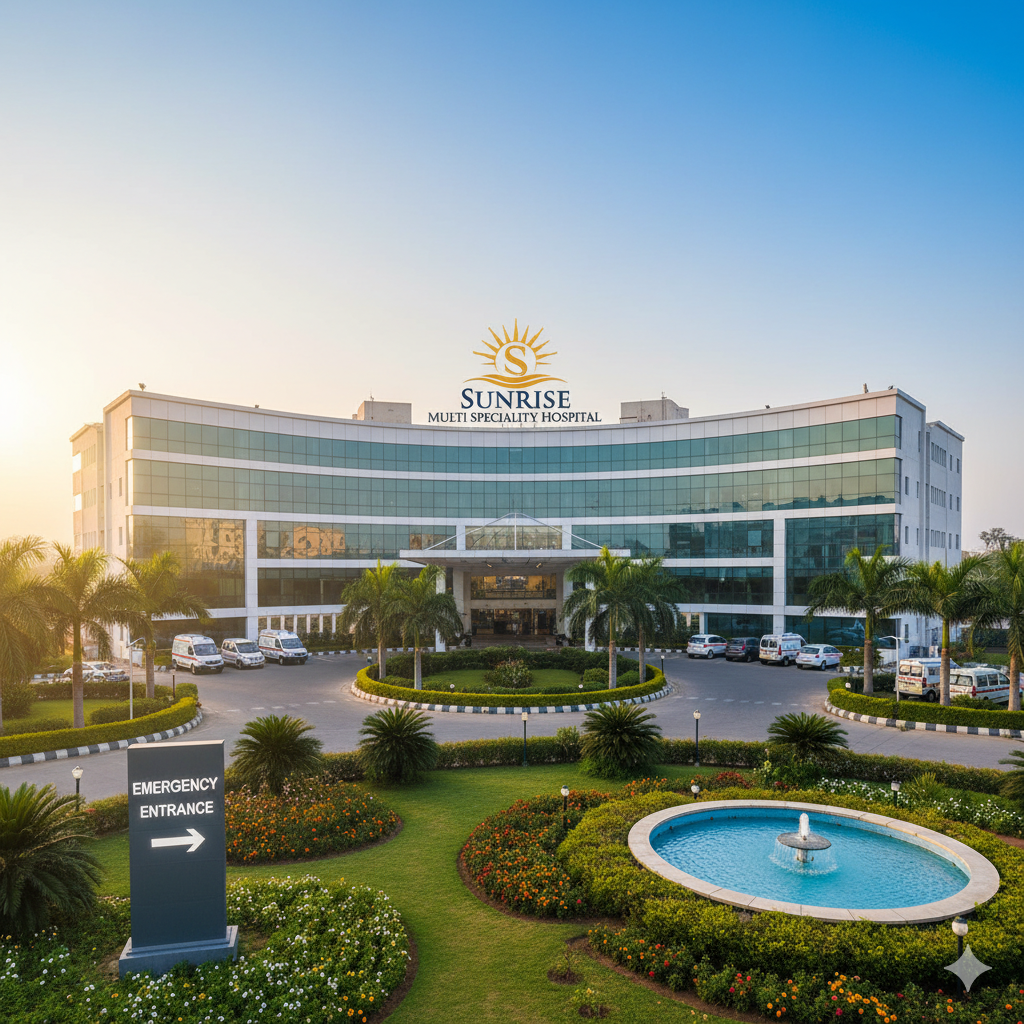
Sunrise Multi Speciality Hospital
New Delhi, Delhi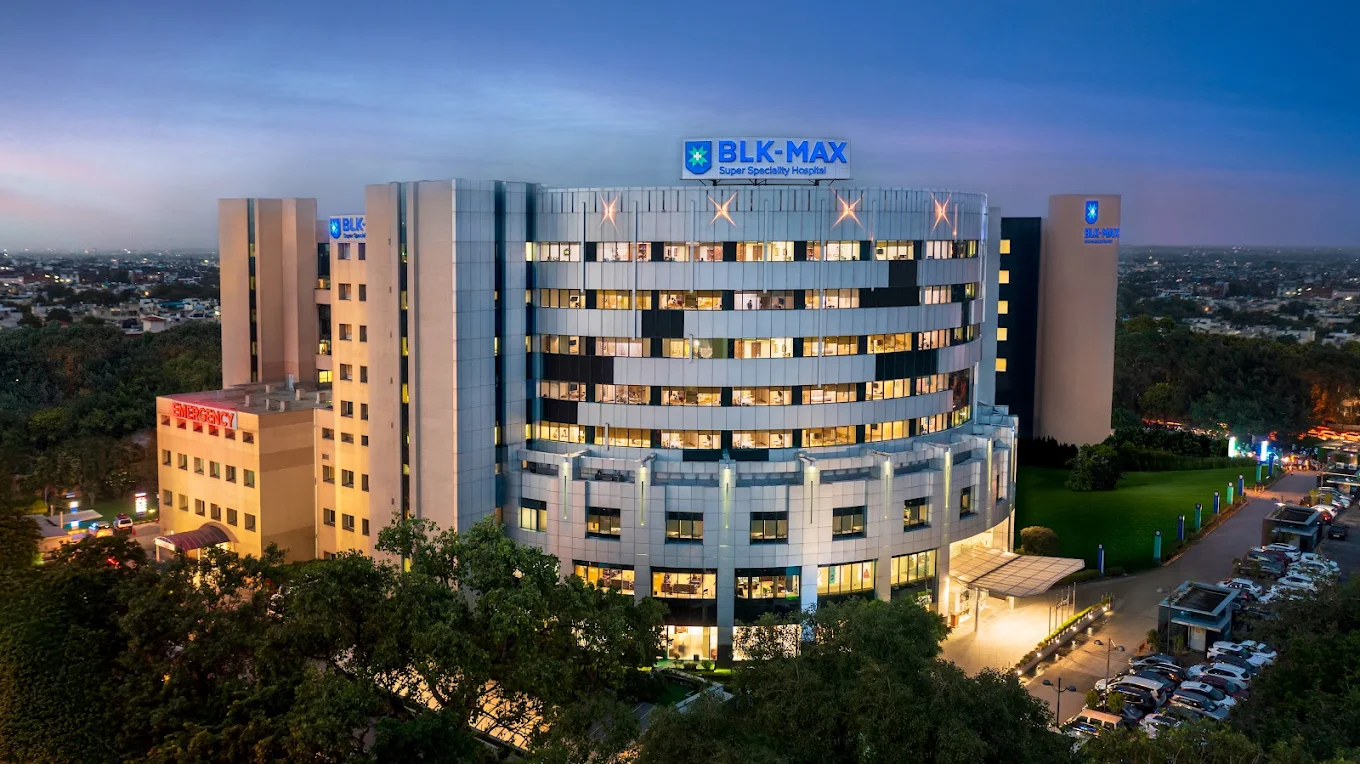
BLK-Max Super Speciality Hospital
Noida, Uttar PradeshNeurology focuses on disorders of the brain, spinal cord, and nervous system. Parkinson’s disease is a progressive neurological condition that affects movement, balance, and coordination due to reduced dopamine production in the brain. While Parkinson’s cannot be cured, early diagnosis and comprehensive treatment can significantly control symptoms, slow progression, and improve quality of life.
India is a preferred destination for neurological care, offering experienced neurologists, advanced diagnostic facilities, and multidisciplinary Parkinson’s management programs at affordable costs for international patients.
Parkinson’s disease and related neurological disorders may present with:
- Tremors (usually starting in one hand)
- Muscle stiffness or rigidity
- Slowness of movement (bradykinesia)
- Difficulty with balance and walking
- Changes in speech or handwriting
- Facial expression reduction (masked face)
- Fatigue and sleep disturbances
- Depression or cognitive changes
Symptoms typically worsen gradually and vary from person to person.
Factors associated with Parkinson’s disease include:
- Increasing age (usually above 50 years)
- Family history of Parkinson’s disease
- Genetic predisposition
- Long-term exposure to environmental toxins
- Head injuries
Although the exact cause is unknown, early evaluation helps in better symptom control.
Diagnosis and treatment planning involve detailed neurological assessment:
- Clinical neurological examination
- Brain imaging (MRI or CT scan)
- Dopamine transporter imaging (if required)
- Blood tests to rule out other conditions
- Cognitive and functional assessment
A personalized treatment plan is created based on disease stage and patient needs.
Parkinson’s treatment focuses on symptom management and functional improvement:
Medical Management
- Dopamine replacement therapy
- Medications to control tremors, stiffness, and movement
- Adjustments based on symptom progression
Advanced Treatments (Selected Patients)
- Deep Brain Stimulation (DBS)
- Infusion therapies
Supportive Therapy
- Physiotherapy for mobility and balance
- Speech and swallowing therapy
- Occupational therapy for daily activities
Treatment is tailored and adjusted over time.
Long-term management is essential for maintaining independence:
- Regular neurologist follow-ups
- Medication optimization
- Ongoing physiotherapy and exercise
- Lifestyle and dietary guidance
- Psychological and caregiver support
Consistent follow-up helps manage disease progression effectively.
While Parkinson’s disease is not curable, outcomes with proper treatment are favorable:
- Significant improvement in movement and daily functioning
- Better symptom control and reduced complications
- Improved quality of life and independence
Results depend on early diagnosis, treatment adherence, and multidisciplinary care.
Estimated Cost in India for International Patients
- Neurological Evaluation & Diagnosis: USD 400 – 800
- Monthly Parkinson’s Medical Management: USD 200 – 500
- Advanced Therapy (DBS Surgery): USD 18,000 – 30,000
Costs vary based on treatment type, hospital, and duration of care.
Can Parkinson’s disease be cured?
Currently, there is no cure, but treatment effectively controls symptoms and slows progression.
Is Deep Brain Stimulation safe?
Yes, DBS is a well-established and safe procedure for selected patients.
When should Parkinson’s treatment start?
Treatment should begin as soon as symptoms affect daily life.
Can patients live a normal life with Parkinson’s?
With proper treatment and rehabilitation, many patients maintain an active and independent life.
Is support available for international patients?
Yes, medical visa assistance, airport pickup, interpreter services, hospital coordination, rehabilitation planning, and accommodation support are available.