Cancer treatment involves a combination of advanced medical therapies aimed at controlling, treating, or curing cancer while improving the patient’s quality of life. Depending on the type and stage of cancer, treatment may include chemotherapy, radiation therapy, surgery, or a combination of these approaches.
India is a preferred destination for cancer treatment for international patients from Nigeria, Kenya, Ghana, Ethiopia, Tanzania, Uganda, Sudan, South Africa, UAE, Oman, and Saudi Arabia, offering world-class oncology care at significantly affordable costs.
Cancer symptoms vary depending on the organ affected, but common warning signs include:
- Unexplained weight loss
- Persistent fatigue
- Long-lasting pain
- Abnormal lumps or swelling
- Changes in bowel or bladder habits
- Persistent cough or bleeding
- Difficulty swallowing
Patients from African countries such as Nigeria, Ghana, Kenya, and Zambia often seek treatment once symptoms begin affecting daily life.
Several factors increase the risk of developing cancer:
- Family history of cancer
- Tobacco and alcohol use
- Obesity and unhealthy lifestyle
- Chronic infections
- Exposure to radiation or harmful chemicals
- Increasing age
Early diagnosis significantly improves treatment outcomes.
Before starting cancer treatment, patients undergo a detailed evaluation, including:
- Blood tests and biopsy
- CT scan, MRI, or PET scan
- Cancer staging and treatment planning
- Medical fitness assessment
- Counseling and nutritional guidance
- Travel and medical visa assistance for international patients
Patients from Nigeria, Kenya, Tanzania, Ethiopia, and Middle Eastern countries receive complete treatment coordination and support.
Treatment Options
Chemotherapy
Chemotherapy uses specialized drugs to destroy cancer cells or stop their growth.
- Given orally or through intravenous infusion
- May be used before or after surgery
- Effective for many solid and blood cancers
- Closely monitored to manage side effects
Radiation Therapy
Radiation therapy uses high-energy rays to target and destroy cancer cells.
- Highly precise treatment methods
- Protects surrounding healthy tissues
- Used alone or with surgery and chemotherapy
- Advanced machines ensure accuracy and safety
Cancer Surgery
Surgery is performed to remove cancerous tumors and affected tissues.
- Often combined with chemotherapy or radiation
- Minimally invasive and robotic options available
- Focus on maximum tumor removal with organ preservation
Indian hospitals are known for successful cancer surgeries for patients from Africa and abroad.
Procedure
After treatment:
- Regular follow-up and monitoring
- Rehabilitation and physiotherapy if required
- Nutritional and lifestyle guidance
- Pain management and supportive care
- Clear follow-up plan for patients returning to their home country
Patients from Ghana, Uganda, Nigeria, and South Africa benefit from structured post-treatment guidance.
Cancer treatment success depends on:
- Cancer type
- Stage at diagnosis
- Overall patient health
- Timely treatment
Early-stage cancers show high survival and recovery rates, while advanced treatments help control disease progression and improve life expectancy.
India is internationally recognized for positive cancer treatment outcomes in medical tourism.
The cost of cancer treatment in India is much lower compared to the USA, UK, or Europe.
Estimated Costs:
- Chemotherapy: USD 1,000 – 3,000 per cycle
- Radiation Therapy: USD 3,000 – 6,000
- Cancer Surgery: USD 4,000 – 10,000
This affordability makes India a trusted choice for patients from Nigeria, Kenya, Ghana, Sudan, UAE, and other African and Gulf countries.
(Final cost depends on cancer type, stage, and treatment plan.)
Is cancer treatment in India safe for international patients?
Yes. Indian hospitals follow global oncology standards with advanced equipment and experienced specialists.
How long does cancer treatment take?
Treatment duration depends on cancer type and stage and may range from weeks to several months.
Will I need to stay in India for the entire treatment?
Initial treatment is done in India. Follow-up care plans are provided for continuation at home.
Do hospitals assist with medical visas and accommodation?
Yes, complete medical tourism assistance is provided for international patients.
Can family members stay during treatment?
Yes, hospitals help arrange nearby accommodation for attendants.

Dr. Dr. Manish Aroraa
Noida, Uttar Pradesh
BLK-Max Super Speciality Hospital
Noida, Uttar Pradesh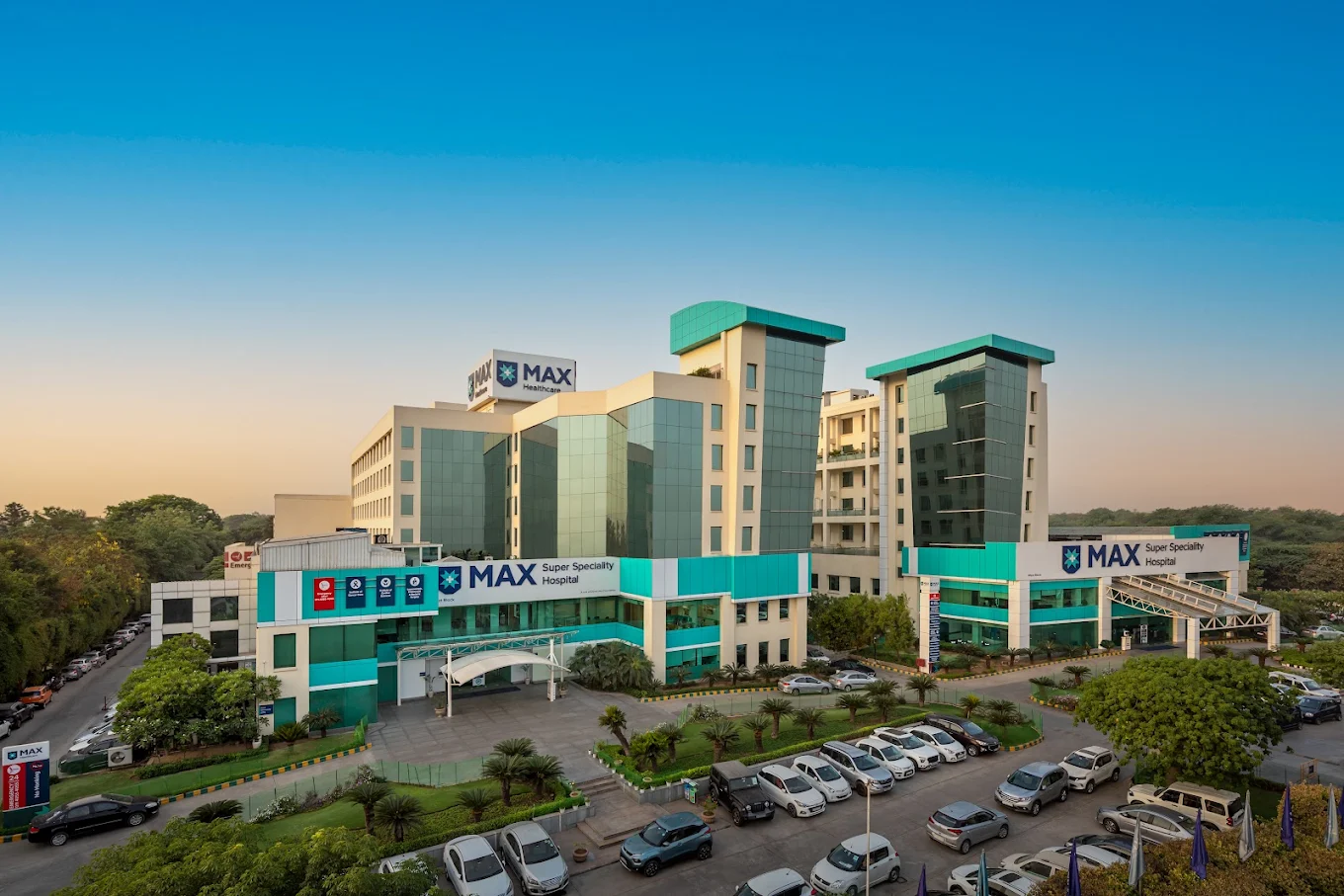
Max Super Speciality Hospitals
Mumbai, MaharashtraCancer treatment involves a combination of advanced medical therapies aimed at controlling, treating, or curing cancer while improving the patient’s quality of life. Depending on the type and stage of cancer, treatment may include chemotherapy, radiation therapy, surgery, or a combination of these approaches.
India is a preferred destination for cancer treatment for international patients from Nigeria, Kenya, Ghana, Ethiopia, Tanzania, Uganda, Sudan, South Africa, UAE, Oman, and Saudi Arabia, offering world-class oncology care at significantly affordable costs.
Cancer symptoms vary depending on the organ affected, but common warning signs include:
- Unexplained weight loss
- Persistent fatigue
- Long-lasting pain
- Abnormal lumps or swelling
- Changes in bowel or bladder habits
- Persistent cough or bleeding
- Difficulty swallowing
Patients from African countries such as Nigeria, Ghana, Kenya, and Zambia often seek treatment once symptoms begin affecting daily life.
Several factors increase the risk of developing cancer:
- Family history of cancer
- Tobacco and alcohol use
- Obesity and unhealthy lifestyle
- Chronic infections
- Exposure to radiation or harmful chemicals
- Increasing age
Early diagnosis significantly improves treatment outcomes.
Before starting cancer treatment, patients undergo a detailed evaluation, including:
- Blood tests and biopsy
- CT scan, MRI, or PET scan
- Cancer staging and treatment planning
- Medical fitness assessment
- Counseling and nutritional guidance
- Travel and medical visa assistance for international patients
Patients from Nigeria, Kenya, Tanzania, Ethiopia, and Middle Eastern countries receive complete treatment coordination and support.
Treatment Options
Chemotherapy
Chemotherapy uses specialized drugs to destroy cancer cells or stop their growth.
- Given orally or through intravenous infusion
- May be used before or after surgery
- Effective for many solid and blood cancers
- Closely monitored to manage side effects
Radiation Therapy
Radiation therapy uses high-energy rays to target and destroy cancer cells.
- Highly precise treatment methods
- Protects surrounding healthy tissues
- Used alone or with surgery and chemotherapy
- Advanced machines ensure accuracy and safety
Cancer Surgery
Surgery is performed to remove cancerous tumors and affected tissues.
- Often combined with chemotherapy or radiation
- Minimally invasive and robotic options available
- Focus on maximum tumor removal with organ preservation
Indian hospitals are known for successful cancer surgeries for patients from Africa and abroad.
Procedure
After treatment:
- Regular follow-up and monitoring
- Rehabilitation and physiotherapy if required
- Nutritional and lifestyle guidance
- Pain management and supportive care
- Clear follow-up plan for patients returning to their home country
Patients from Ghana, Uganda, Nigeria, and South Africa benefit from structured post-treatment guidance.
Cancer treatment success depends on:
- Cancer type
- Stage at diagnosis
- Overall patient health
- Timely treatment
Early-stage cancers show high survival and recovery rates, while advanced treatments help control disease progression and improve life expectancy.
India is internationally recognized for positive cancer treatment outcomes in medical tourism.
The cost of cancer treatment in India is much lower compared to the USA, UK, or Europe.
Estimated Costs:
- Chemotherapy: USD 1,000 – 3,000 per cycle
- Radiation Therapy: USD 3,000 – 6,000
- Cancer Surgery: USD 4,000 – 10,000
This affordability makes India a trusted choice for patients from Nigeria, Kenya, Ghana, Sudan, UAE, and other African and Gulf countries.
(Final cost depends on cancer type, stage, and treatment plan.)
Is cancer treatment in India safe for international patients?
Yes. Indian hospitals follow global oncology standards with advanced equipment and experienced specialists.
How long does cancer treatment take?
Treatment duration depends on cancer type and stage and may range from weeks to several months.
Will I need to stay in India for the entire treatment?
Initial treatment is done in India. Follow-up care plans are provided for continuation at home.
Do hospitals assist with medical visas and accommodation?
Yes, complete medical tourism assistance is provided for international patients.
Can family members stay during treatment?
Yes, hospitals help arrange nearby accommodation for attendants.