Angioplasty and stent placement is a minimally invasive heart procedure used to open blocked or narrowed coronary arteries that supply blood to the heart muscle. When these arteries become narrowed due to plaque buildup, blood flow is reduced, increasing the risk of chest pain (angina) or heart attack.
India is a preferred destination for angioplasty due to its advanced cardiac centers, experienced interventional cardiologists, and high success rates—offered at significantly lower costs for international patients.
Angioplasty may be recommended if a patient experiences:
- Chest pain or pressure (angina)
- Shortness of breath
- Pain spreading to the left arm, neck, jaw, or back
- Excessive sweating
- Fatigue during mild activity
- Abnormal ECG or stress test results
- Heart attack (emergency cases)
Early diagnosis and timely treatment can prevent life-threatening complications.
Common risk factors for coronary artery disease include:
- High cholesterol levels
- High blood pressure
- Diabetes
- Smoking
- Obesity
- Family history of heart disease
- Lack of physical activity
- Chronic stress
Managing these risk factors helps reduce future heart problems.
Before angioplasty, the cardiology team performs a detailed evaluation, including:
- ECG and echocardiography
- Coronary angiography
- Blood tests
- Kidney function tests
- Blood sugar and blood pressure assessment
- Review of current medications
Patients are given clear instructions regarding fasting and medications before the procedure.
Angioplasty typically takes 30 minutes to 2 hours.
Procedure steps:
- Local anesthesia is given
- A catheter is inserted through the wrist (radial) or groin (femoral artery)
- A balloon is inflated to open the blocked artery
- A stent is placed to keep the artery open
Types of stents:
- Drug-Eluting Stents (DES) – most commonly used
- Bare Metal Stents (BMS)
Recovery after angioplasty is usually quick:
- Monitoring for 24–48 hours
- Blood-thinning medications prescribed
- Lifestyle and dietary modifications advised
- Smoking cessation strongly recommended
- Regular cardiology follow-ups
Most patients are discharged within 2–3 days.
Angioplasty is a highly successful procedure:
- Immediate success rate: 95–99%
- Long-term success depends on:
- Stent type
- Lifestyle changes
- Medication compliance
With proper care, patients can return to a normal and active life.
Estimated Cost in India for International Patients
- Single Stent Angioplasty: USD 3,500 – 6,000
- Double Stent Angioplasty: USD 5,000 – 8,000
- Multiple / Complex Angioplasty: USD 7,000 – 12,000
The cost usually includes angiography, stent charges, hospital stay, and basic investigations. Final pricing depends on stent brand and case complexity.
Is angioplasty an open-heart surgery?
No, angioplasty is a minimally invasive, non-surgical procedure.
Is the stent permanent?
Yes, the stent remains permanently inside the artery.
Can normal life be resumed after angioplasty?
Yes, most patients return to normal activities with proper medication and lifestyle changes.
How many stents can be placed?
The number depends on the extent and location of artery blockages.
Is support available for international patients?
Yes, medical visa assistance, airport pickup, hospital coordination, interpreter services, and accommodation support are provided.
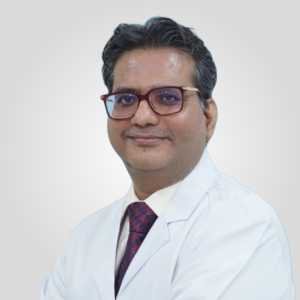
Dr. Dr. Deepak Thakur
Mumbai, Maharashtra
Dr. arun singhal
Greater Noida, Uttar Pradesh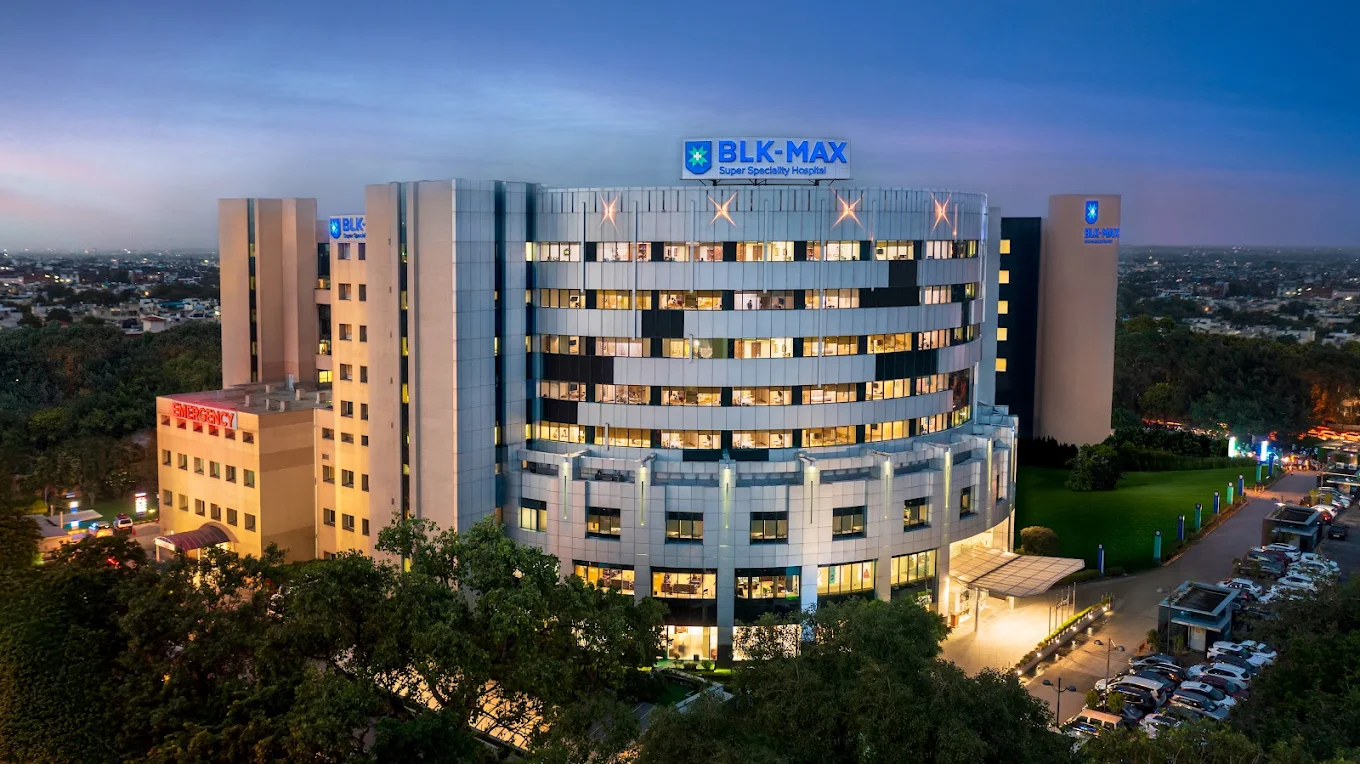
BLK-Max Super Speciality Hospital
Noida, Uttar Pradesh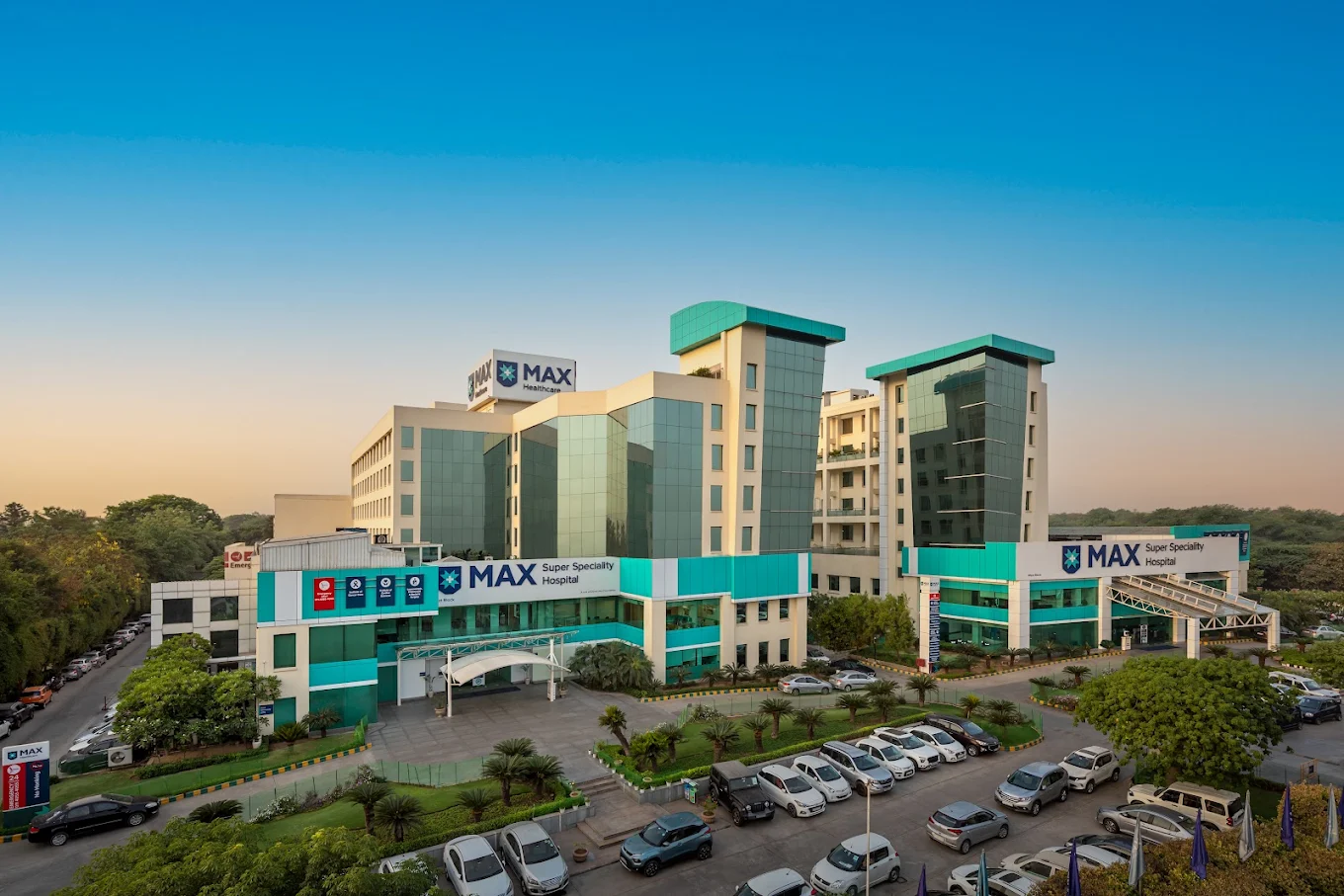
Max Super Speciality Hospitals
Mumbai, MaharashtraAngioplasty and stent placement is a minimally invasive heart procedure used to open blocked or narrowed coronary arteries that supply blood to the heart muscle. When these arteries become narrowed due to plaque buildup, blood flow is reduced, increasing the risk of chest pain (angina) or heart attack.
India is a preferred destination for angioplasty due to its advanced cardiac centers, experienced interventional cardiologists, and high success rates—offered at significantly lower costs for international patients.
Angioplasty may be recommended if a patient experiences:
- Chest pain or pressure (angina)
- Shortness of breath
- Pain spreading to the left arm, neck, jaw, or back
- Excessive sweating
- Fatigue during mild activity
- Abnormal ECG or stress test results
- Heart attack (emergency cases)
Early diagnosis and timely treatment can prevent life-threatening complications.
Common risk factors for coronary artery disease include:
- High cholesterol levels
- High blood pressure
- Diabetes
- Smoking
- Obesity
- Family history of heart disease
- Lack of physical activity
- Chronic stress
Managing these risk factors helps reduce future heart problems.
Before angioplasty, the cardiology team performs a detailed evaluation, including:
- ECG and echocardiography
- Coronary angiography
- Blood tests
- Kidney function tests
- Blood sugar and blood pressure assessment
- Review of current medications
Patients are given clear instructions regarding fasting and medications before the procedure.
Angioplasty typically takes 30 minutes to 2 hours.
Procedure steps:
- Local anesthesia is given
- A catheter is inserted through the wrist (radial) or groin (femoral artery)
- A balloon is inflated to open the blocked artery
- A stent is placed to keep the artery open
Types of stents:
- Drug-Eluting Stents (DES) – most commonly used
- Bare Metal Stents (BMS)
Recovery after angioplasty is usually quick:
- Monitoring for 24–48 hours
- Blood-thinning medications prescribed
- Lifestyle and dietary modifications advised
- Smoking cessation strongly recommended
- Regular cardiology follow-ups
Most patients are discharged within 2–3 days.
Angioplasty is a highly successful procedure:
- Immediate success rate: 95–99%
- Long-term success depends on:
- Stent type
- Lifestyle changes
- Medication compliance
With proper care, patients can return to a normal and active life.
Estimated Cost in India for International Patients
- Single Stent Angioplasty: USD 3,500 – 6,000
- Double Stent Angioplasty: USD 5,000 – 8,000
- Multiple / Complex Angioplasty: USD 7,000 – 12,000
The cost usually includes angiography, stent charges, hospital stay, and basic investigations. Final pricing depends on stent brand and case complexity.
Is angioplasty an open-heart surgery?
No, angioplasty is a minimally invasive, non-surgical procedure.
Is the stent permanent?
Yes, the stent remains permanently inside the artery.
Can normal life be resumed after angioplasty?
Yes, most patients return to normal activities with proper medication and lifestyle changes.
How many stents can be placed?
The number depends on the extent and location of artery blockages.
Is support available for international patients?
Yes, medical visa assistance, airport pickup, hospital coordination, interpreter services, and accommodation support are provided.