Bone Marrow Transplant (BMT) is a highly specialized medical procedure used to treat life-threatening blood disorders and certain cancers. The procedure involves replacing diseased or damaged bone marrow with healthy stem cells, allowing the body to produce normal blood cells again.
India is a globally recognized destination for bone marrow transplantation due to its advanced transplant units, experienced hematologists, strict infection-control protocols, and cost-effective treatment options for international patients.
BMT may be recommended when a patient experiences:
- Persistent fatigue and weakness
- Recurrent or severe infections
- Uncontrolled bleeding or easy bruising
- Chronic anemia
- Persistent fever
- Bone pain
- Poor response to chemotherapy or other standard treatments
These symptoms often indicate serious bone marrow dysfunction.
Conditions that may require bone marrow transplantation include:
- Leukemia
- Lymphoma
- Multiple myeloma
- Aplastic anemia
- Thalassemia
- Sickle cell disease
- Myelodysplastic syndromes (MDS)
- Certain inherited immune disorders
The decision for transplant depends on disease stage, patient age, and overall health.
Extensive evaluation is required before a bone marrow transplant:
- Complete blood tests
- Bone marrow biopsy
- HLA typing and donor matching
- Heart, lung, liver, and kidney function tests
- Infection screening
- Psychological and nutritional assessment
Patients and families receive detailed counseling regarding the procedure, risks, recovery timeline, and post-transplant care.
Bone marrow transplant is a multi-step process rather than a single surgery:
- Conditioning therapy – High-dose chemotherapy with or without radiation
- Stem cell infusion – Healthy stem cells are infused intravenously
- Engraftment phase – New stem cells begin producing blood cells (usually within 2–4 weeks)
Types of Bone Marrow Transplant
- Autologous Transplant (patient’s own stem cells)
- Allogeneic Transplant (donor stem cells)
- Haploidentical Transplant (partially matched donor)
Post-transplant care is critical and closely monitored:
- Protective isolation to prevent infection
- Regular blood monitoring
- Immunosuppressive and anti-infection medications
- Nutritional support
- Gradual physical rehabilitation
Hospital stay typically ranges from 4 to 6 weeks, with full immune recovery taking several months.
The success of BMT depends on the underlying disease and transplant type:
- Autologous BMT: 70–90% success rate
- Allogeneic BMT: 60–80% success rate
Key success factors include donor match quality, infection control, and long-term follow-up care.
Estimated Cost in India for International Patients
- Autologous Bone Marrow Transplant: USD 18,000 – 25,000
- Allogeneic Bone Marrow Transplant: USD 25,000 – 40,000
- Haploidentical Transplant: USD 30,000 – 45,000
Costs generally include transplant procedure, hospital stay, ICU care, and basic investigations. Donor workup, medications, and extended stay may be additional.
Is bone marrow transplant a cure?
In many cases, BMT can be curative. In others, it significantly improves survival and quality of life.
Does the donor have to be a family member?
Not always. Matched unrelated donors and partially matched donors are also possible.
Is bone marrow transplant painful?
The transplant itself is not painful, but chemotherapy and recovery require careful medical management.
How long does recovery take?
Initial recovery takes a few months; full immune system recovery may take up to one year.
Is support available for international patients?
Yes, medical visa assistance, airport pickup, hospital coordination, interpreter services, accommodation, and long-term follow-up support are available.

Dr. Dr. Manish Aroraa
Noida, Uttar Pradesh
Dr. Anjali Gupta
Mumbai, Maharashtra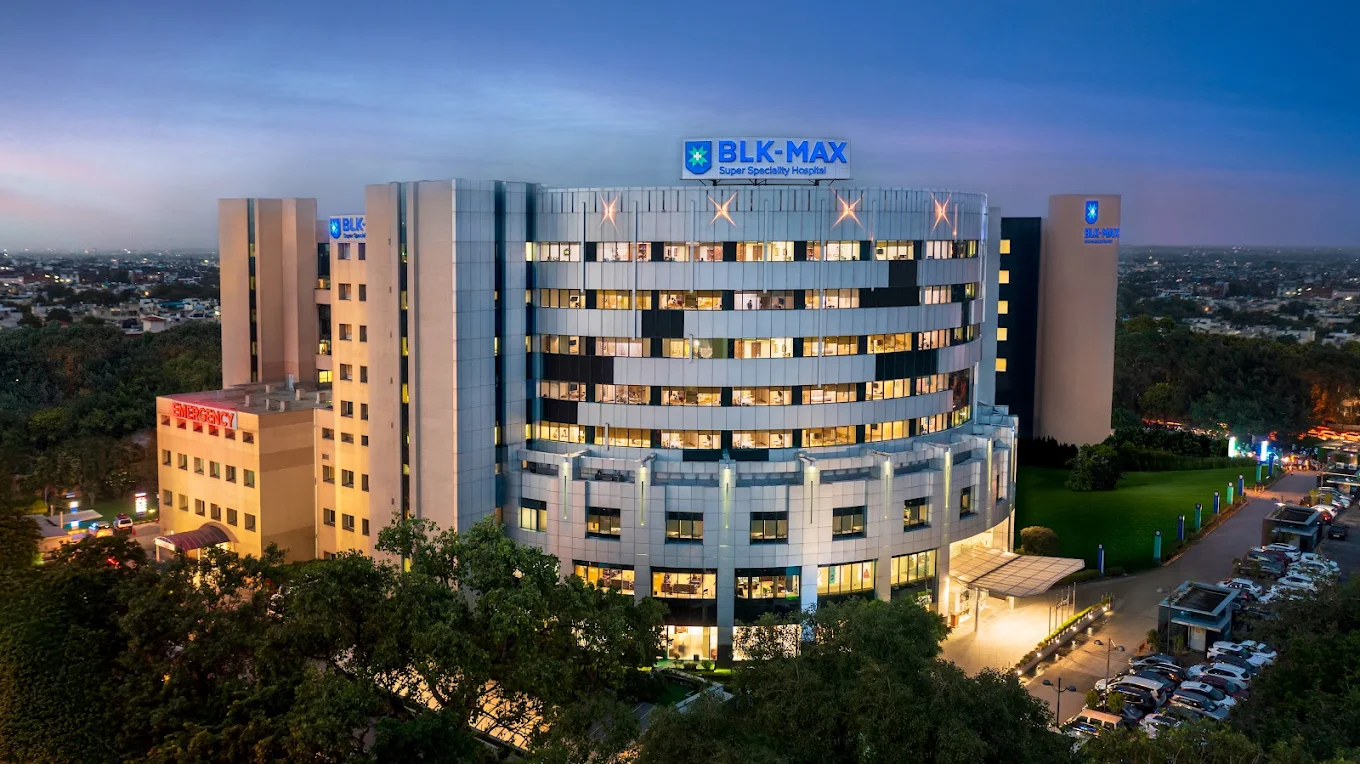
BLK-Max Super Speciality Hospital
Noida, Uttar Pradesh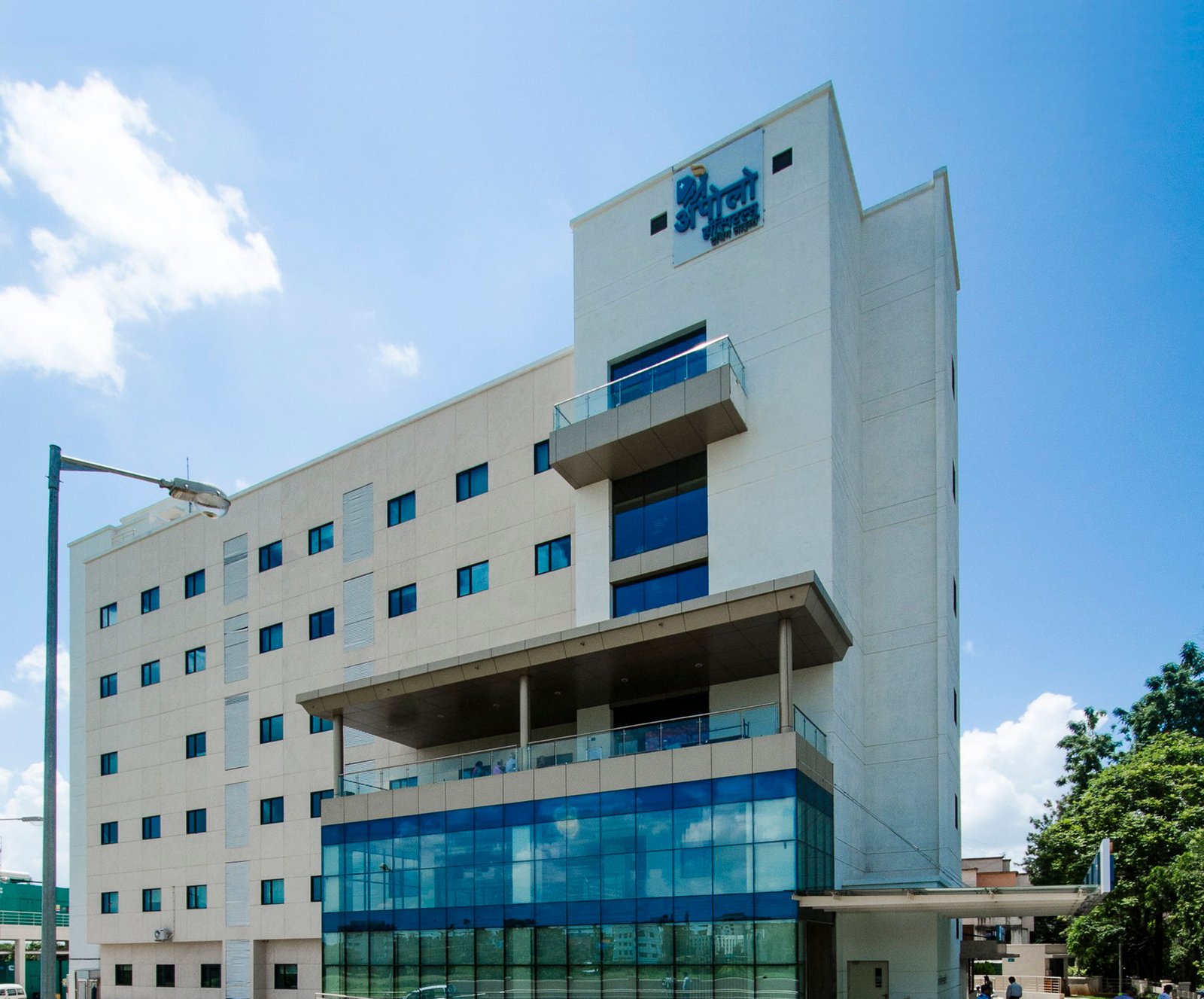
Apollo Hospitals Group
Thiruvananthapuram, KeralaBone Marrow Transplant (BMT) is a highly specialized medical procedure used to treat life-threatening blood disorders and certain cancers. The procedure involves replacing diseased or damaged bone marrow with healthy stem cells, allowing the body to produce normal blood cells again.
India is a globally recognized destination for bone marrow transplantation due to its advanced transplant units, experienced hematologists, strict infection-control protocols, and cost-effective treatment options for international patients.
BMT may be recommended when a patient experiences:
- Persistent fatigue and weakness
- Recurrent or severe infections
- Uncontrolled bleeding or easy bruising
- Chronic anemia
- Persistent fever
- Bone pain
- Poor response to chemotherapy or other standard treatments
These symptoms often indicate serious bone marrow dysfunction.
Conditions that may require bone marrow transplantation include:
- Leukemia
- Lymphoma
- Multiple myeloma
- Aplastic anemia
- Thalassemia
- Sickle cell disease
- Myelodysplastic syndromes (MDS)
- Certain inherited immune disorders
The decision for transplant depends on disease stage, patient age, and overall health.
Extensive evaluation is required before a bone marrow transplant:
- Complete blood tests
- Bone marrow biopsy
- HLA typing and donor matching
- Heart, lung, liver, and kidney function tests
- Infection screening
- Psychological and nutritional assessment
Patients and families receive detailed counseling regarding the procedure, risks, recovery timeline, and post-transplant care.
Bone marrow transplant is a multi-step process rather than a single surgery:
- Conditioning therapy – High-dose chemotherapy with or without radiation
- Stem cell infusion – Healthy stem cells are infused intravenously
- Engraftment phase – New stem cells begin producing blood cells (usually within 2–4 weeks)
Types of Bone Marrow Transplant
- Autologous Transplant (patient’s own stem cells)
- Allogeneic Transplant (donor stem cells)
- Haploidentical Transplant (partially matched donor)
Post-transplant care is critical and closely monitored:
- Protective isolation to prevent infection
- Regular blood monitoring
- Immunosuppressive and anti-infection medications
- Nutritional support
- Gradual physical rehabilitation
Hospital stay typically ranges from 4 to 6 weeks, with full immune recovery taking several months.
The success of BMT depends on the underlying disease and transplant type:
- Autologous BMT: 70–90% success rate
- Allogeneic BMT: 60–80% success rate
Key success factors include donor match quality, infection control, and long-term follow-up care.
Estimated Cost in India for International Patients
- Autologous Bone Marrow Transplant: USD 18,000 – 25,000
- Allogeneic Bone Marrow Transplant: USD 25,000 – 40,000
- Haploidentical Transplant: USD 30,000 – 45,000
Costs generally include transplant procedure, hospital stay, ICU care, and basic investigations. Donor workup, medications, and extended stay may be additional.
Is bone marrow transplant a cure?
In many cases, BMT can be curative. In others, it significantly improves survival and quality of life.
Does the donor have to be a family member?
Not always. Matched unrelated donors and partially matched donors are also possible.
Is bone marrow transplant painful?
The transplant itself is not painful, but chemotherapy and recovery require careful medical management.
How long does recovery take?
Initial recovery takes a few months; full immune system recovery may take up to one year.
Is support available for international patients?
Yes, medical visa assistance, airport pickup, hospital coordination, interpreter services, accommodation, and long-term follow-up support are available.