A cochlear implant is an advanced medical device designed to restore hearing in individuals with severe to profound hearing loss who do not benefit from hearing aids. Unlike hearing aids that amplify sound, a cochlear implant directly stimulates the auditory nerve, allowing the brain to perceive sound signals.
India is a globally recognized destination for cochlear implant surgery, offering experienced ENT surgeons, modern implant technology, and structured post-surgery rehabilitation programs at affordable costs for international patients.
Cochlear implant surgery may be recommended for patients experiencing:
- Severe or profound hearing loss in one or both ears
- Minimal or no benefit from hearing aids
- Difficulty understanding speech
- Delayed speech development in children
- Inability to communicate effectively in daily life
- Social isolation due to hearing impairment
Early intervention, especially in children, leads to better speech and hearing outcomes.
Conditions that may lead to severe hearing loss include:
- Congenital (birth-related) hearing loss
- Genetic hearing disorders
- Infections such as meningitis or viral illnesses
- Noise-induced hearing damage
- Age-related hearing loss
- Head trauma
- Long-standing untreated ear conditions
A detailed hearing assessment is required to determine implant suitability.
Before cochlear implant surgery, a comprehensive evaluation is performed:
- Detailed hearing tests (audiometry, BERA)
- CT scan or MRI of the inner ear
- Speech and language assessment
- Medical and psychological evaluation
- Vaccinations to reduce infection risk
Patients and families receive counseling about implant function, expectations, and long-term rehabilitation.
Cochlear implant surgery is a safe and well-established procedure:
- Performed under general anesthesia
- Surgery duration: 2–3 hours
- The implant is placed in the inner ear through a small incision
- The external sound processor is fitted and activated a few weeks later
The procedure does not damage surrounding brain structures.
Post-surgery care and rehabilitation are critical for success:
- Healing period of 2–3 weeks
- Activation and programming (“mapping”) of the device
- Regular speech and auditory therapy sessions
- Gradual improvement in sound recognition and speech understanding
Children typically require longer and more intensive speech therapy.
Cochlear implant outcomes are highly positive:
- Significant improvement in hearing and speech perception
- Better communication skills and social interaction
- Improved quality of life
Success depends on patient age, duration of hearing loss, and consistency of post-implant therapy.
Estimated Cost in India for International Patients
- Unilateral Cochlear Implant: USD 18,000 – 25,000
- Bilateral Cochlear Implant: USD 30,000 – 45,000
Costs generally include:
- Implant device
- Surgery and hospital stay
- Initial programming and follow-up
Speech therapy, long-term follow-ups, and travel expenses may be additional.
Is a cochlear implant better than a hearing aid?
Yes, for patients with severe hearing loss who do not benefit from hearing aids, cochlear implants provide better hearing outcomes.
Does hearing return immediately after surgery?
No. Hearing begins after the implant is activated, usually 2–3 weeks after surgery.
Is there an age limit for cochlear implants?
Cochlear implants can be performed in young children (often after 1 year of age) as well as adults.
How long does a cochlear implant last?
The internal implant is designed to last a lifetime. The external processor can be upgraded.
Is support available for international patients?
Yes, medical visa assistance, airport pickup, interpreter services, hospital coordination, speech therapy planning, and accommodation support are available.

Dr. Dr. Manish Aroraa
Noida, Uttar Pradesh
Dr. arun singhal
Greater Noida, Uttar Pradesh
Sunrise Multi Speciality Hospital
New Delhi, Delhi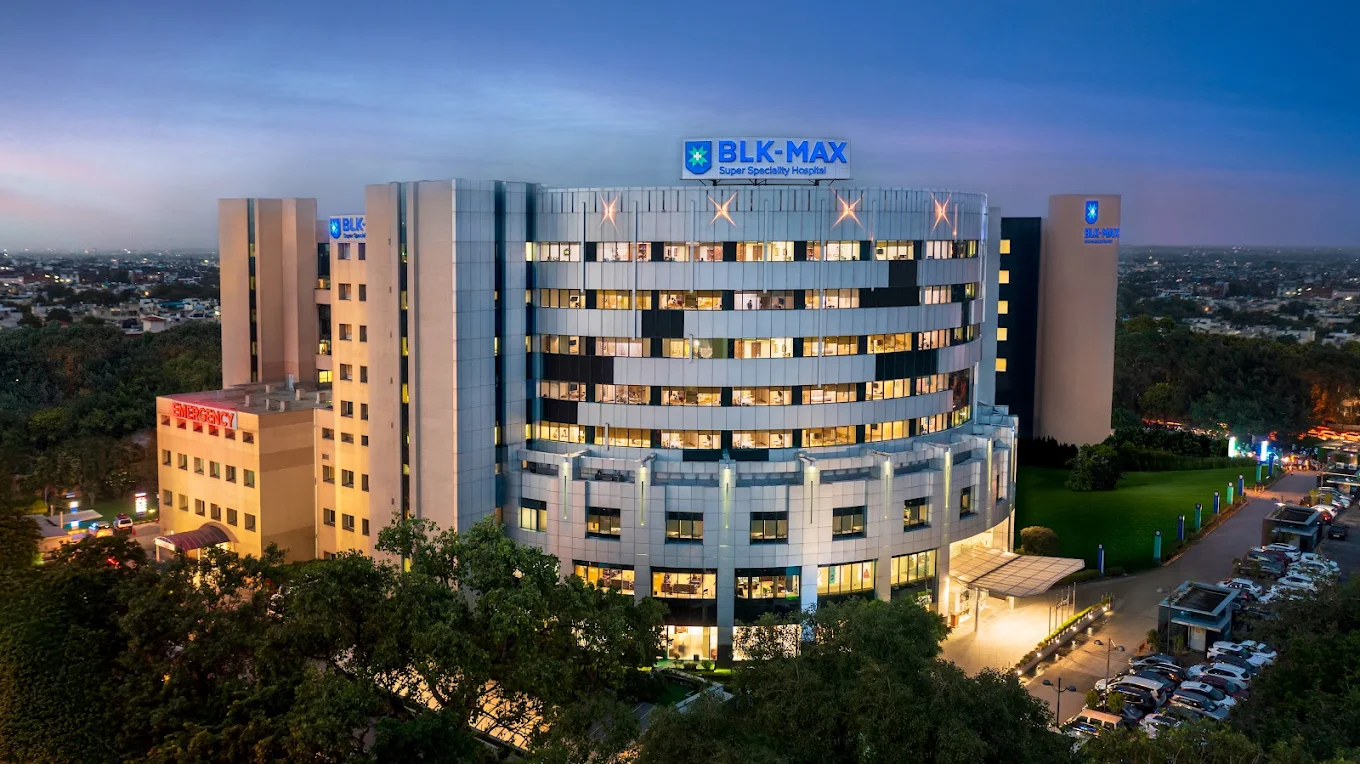
BLK-Max Super Speciality Hospital
Noida, Uttar PradeshA cochlear implant is an advanced medical device designed to restore hearing in individuals with severe to profound hearing loss who do not benefit from hearing aids. Unlike hearing aids that amplify sound, a cochlear implant directly stimulates the auditory nerve, allowing the brain to perceive sound signals.
India is a globally recognized destination for cochlear implant surgery, offering experienced ENT surgeons, modern implant technology, and structured post-surgery rehabilitation programs at affordable costs for international patients.
Cochlear implant surgery may be recommended for patients experiencing:
- Severe or profound hearing loss in one or both ears
- Minimal or no benefit from hearing aids
- Difficulty understanding speech
- Delayed speech development in children
- Inability to communicate effectively in daily life
- Social isolation due to hearing impairment
Early intervention, especially in children, leads to better speech and hearing outcomes.
Conditions that may lead to severe hearing loss include:
- Congenital (birth-related) hearing loss
- Genetic hearing disorders
- Infections such as meningitis or viral illnesses
- Noise-induced hearing damage
- Age-related hearing loss
- Head trauma
- Long-standing untreated ear conditions
A detailed hearing assessment is required to determine implant suitability.
Before cochlear implant surgery, a comprehensive evaluation is performed:
- Detailed hearing tests (audiometry, BERA)
- CT scan or MRI of the inner ear
- Speech and language assessment
- Medical and psychological evaluation
- Vaccinations to reduce infection risk
Patients and families receive counseling about implant function, expectations, and long-term rehabilitation.
Cochlear implant surgery is a safe and well-established procedure:
- Performed under general anesthesia
- Surgery duration: 2–3 hours
- The implant is placed in the inner ear through a small incision
- The external sound processor is fitted and activated a few weeks later
The procedure does not damage surrounding brain structures.
Post-surgery care and rehabilitation are critical for success:
- Healing period of 2–3 weeks
- Activation and programming (“mapping”) of the device
- Regular speech and auditory therapy sessions
- Gradual improvement in sound recognition and speech understanding
Children typically require longer and more intensive speech therapy.
Cochlear implant outcomes are highly positive:
- Significant improvement in hearing and speech perception
- Better communication skills and social interaction
- Improved quality of life
Success depends on patient age, duration of hearing loss, and consistency of post-implant therapy.
Estimated Cost in India for International Patients
- Unilateral Cochlear Implant: USD 18,000 – 25,000
- Bilateral Cochlear Implant: USD 30,000 – 45,000
Costs generally include:
- Implant device
- Surgery and hospital stay
- Initial programming and follow-up
Speech therapy, long-term follow-ups, and travel expenses may be additional.
Is a cochlear implant better than a hearing aid?
Yes, for patients with severe hearing loss who do not benefit from hearing aids, cochlear implants provide better hearing outcomes.
Does hearing return immediately after surgery?
No. Hearing begins after the implant is activated, usually 2–3 weeks after surgery.
Is there an age limit for cochlear implants?
Cochlear implants can be performed in young children (often after 1 year of age) as well as adults.
How long does a cochlear implant last?
The internal implant is designed to last a lifetime. The external processor can be upgraded.
Is support available for international patients?
Yes, medical visa assistance, airport pickup, interpreter services, hospital coordination, speech therapy planning, and accommodation support are available.